2022 Innovation Grants Announced
UW EarthLab selects six community-led teams to solve complex challenges at the intersection of climate change & social justice that will make a positive impact on people’s lives and livelihoods
Today EarthLab announced that six transdisciplinary teams have been selected for the 2022-2023 Innovation Grants program. This signature initiative provides essential funding to newly formed applied research teams that are led by and with community partners. Now in its third iteration, this year’s Innovation Grants request for proposals looked for research at the intersection of climate change and social justice. Each team will receive up to $75,000 to generate equitable and actionable science and knowledge that make a positive impact on people and communities. The award period lasts 16 months and final products are due by September 30, 2023.
Interest in the Innovation Grants program has continued to grow since its inaugural funding round in 2019. This year, for the first time ever, EarthLab was able to expand its Innovation Grants funding from $300,000 to $450,000. In this year’s application cycle, 33 teams submitted letters of intent to apply to the RFP, of which 15 were invited to submit a full proposal. Proposals were evaluated by an 11-member review committee that included faculty and staff from several disciplines and a community member from outside UW.
“I have loved being involved with EarthLab’s Innovation Grants for the past three years,” shared Kristi Straus, Chair of the Innovation Grants Program Review Committee and Associate Teaching Professor through UW’s Program on the Environment. “EarthLab continues to optimize their approach to applied environmental research funding with this year’s focus on projects that center social justice and climate change. It was exciting to read the grant proposals and learn about so many transdisciplinary research teams and creative research approaches. Many of these projects are collaboratively designed by and with communities most impacted by climate change, which I think speaks to our collective desire to address human-environment mitigation and adaptation to climate change through both an intersectional and interdisciplinary lens.”
Project teams included faculty from a range of disciplines at the University of Washington, including public health, environmental and occupational health sciences, anthropology, civil & environmental engineering, law, marine sciences, landscape architecture, humanities, and more. Community partners include Tribal leaders, public agencies, community organizers and other universities.
In addition to the funds awarded, Innovation Grant recipients receive administrative and communications support throughout the award period. Teams connect as a cohort at workshop-style meetings which are designed to share resources on interdisciplinary and community-engaged research, create the opportunity for co-learning and networking, and to provide a structured space to work collaboratively on their projects.
“This year’s innovation grants catalyze community-led teams working with UW researchers and students on game-changing environmental research,” said Ben Packard, EarthLab Executive Director. “We’re thrilled to support the work being done by these six fascinating cross-disciplinary teams who are all generating critical, scalable solutions in the community.”
EarthLab is an initiative of the UW College of the Environment to solve the biggest problem of our lifetime – our changing environment. EarthLab works across the university to accelerate and focus UW’s broad expertise across multiple fields, amplify engagement between private, public, non-profit and community leaders, and spur the development of co-created, meaningful, science-based solutions to improve people’s lives and livelihoods. The Innovation Grants program is an annual initiative supported by newly raised funds.
Learn more about the Innovation Grants program here and check back often for news regarding the 2019-2020 & 2020-2021 funded projects.
Funded Projects
Centering Place and Community to Address Climate Change and Social Justice
Seattle Assessment of Public Health Preparedness and Response (SASPER): Duwamish Valley Pilot Project
Cultural Ecosystems in a changing world: building a network across the Northwest to support food
sovereignty, climate adaptation, and land rights
Hunting for healing: An academic and Colville Nation collaboration seeking to examine traditional food
sources in light of environmental changes
The Housing Spectrum, Temperature Extremes, and the Costs of Thermal Safety and Comfort: A Community-Informed Policy Evaluation of Weatherization and Energy Assistance Programs
Reverse Redlining
GardenPro Wins EarthLab Community Impact Prize at Alaska Airlines Environmental Innovation Challenge
EarthLab unveils new paid summer internships for UW undergrads
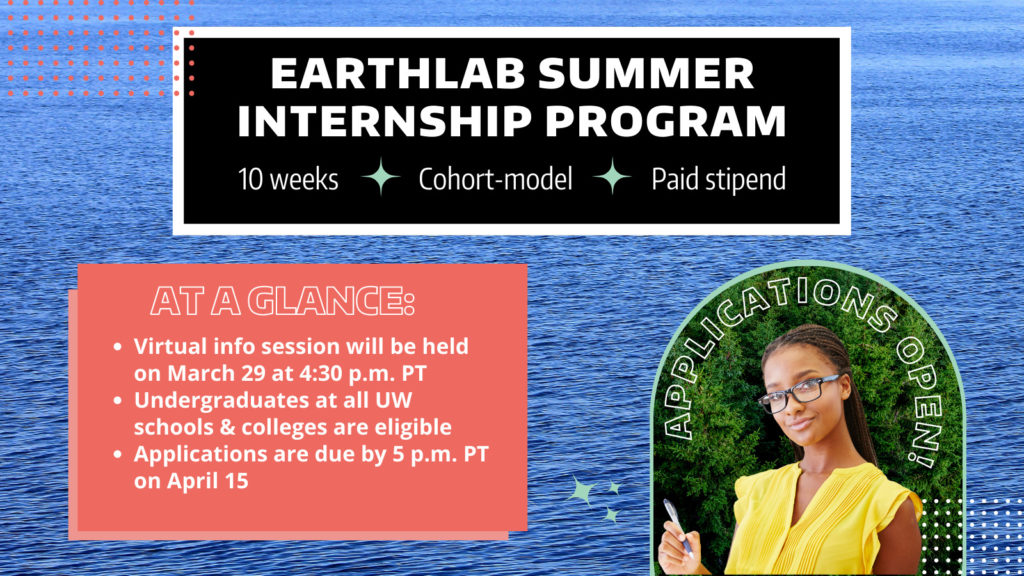
EarthLab has announced a new paid summer internship program for University of Washington undergraduate students who are passionate about addressing challenging environmental issues. Currently enrolled students (as of Spring 2022) from all UW schools, colleges and campuses are eligible to apply by 5 p.m. PT on April 15, 2022.
This year’s program will run for 10 weeks between June-August, with student presentations expected in the fall. Internships will be hosted within EarthLab member organizations. Although each project is unique, interns will engage with and learn from each other while attending required training sessions and other group activities. Each student will be provided with a faculty or research scientist mentor and will receive a weekly stipend based on the hours required for the project.
“We know that if we are going to effectively and equitably address environmental issues, we must rethink how we train the next generation of leaders, researchers and scholars,” said Ben Packard, EarthLab’s executive director. “We’re excited to offer this new opportunity for undergraduate students to build capacity for interdisciplinary, community-engaged environmental work.”
EarthLab is offering a live information session over Zoom on March 29 at 4:30 p.m. PT. Anyone interested in learning more about the program is encouraged to attend and ask questions. The session will be recorded and shared on the EarthLab website.
While the available projects span a variety of subjects, experiences and time commitments, students may apply to more than one project. They should note that many opportunities will require some remote work and some in-person work, following all safety protocols. The number of hours per week include required mentor meetings, group discussions and professional development trainings hosted by EarthLab.
2022 placements include:
Center for Health and the Global Environment (CHanGE)
- Climate Health Risk Tool Intern (15 hrs/week)
- Grant Application Support Intern (15 hrs/week)
- Northwest Climate Resilience Collaborative (NCRC) Intern (30 hrs/week)
- Green Schoolyards Project Intern (30 hrs/week)
- Forest Bathing Research Assistant (40 hrs/week)
- Indigenous Wellness Research Institute (IWRI) Intern (20 hrs/week)
Washington Ocean Acidification Center (WOAC)
- Ocean Literacy Intern (15 hrs/week)
- Ocean Acidification Intern (25 hrs/week)
- Zooplankton Diversity Intern (40 hrs/week)
Contact earthlab@uw.edu with any questions.
From Footnote to Headline: Climate Prioritization at All Levels in 2022
While attending a virtual year-end event hosted by Climate Solutions, Dr. Robert Bullard characterized 2021 as the year climate and justice went from “footnote to headline.”
Often described as the father of environmental justice, due to his 40+ years of leadership speaking out against environmental racism, Dr. Bullard was talking about the convergence of issues around climate adaptation and mitigation with social and racial justice, housing, transportation, food and water security, health, education and workforce development. He shared his enthusiasm for the opportunity in the “lines blurring” between the community organizations, businesses, nonprofits, academic institutions, municipalities and other networks taking action on these issues.
Dr. Bullard’s message was clear: we can no longer operate within silos when it comes to climate.
A year into mobilizing our new strategic plan with a focus on climate change and its intersection with social justice, Dr. Bullard’s words struck a chord. This idea, that it takes all of us collectively to develop innovative, just and equitable solutions to environmental challenges, is foundational to EarthLab.
I enter 2022 with a renewed curiosity about EarthLab’s responsibility and opportunity; that is, what more can we do to push on boundaries currently reinforcing climate change silos and suboptimal outcomes? How can we support the transformation and intersection of efforts between communities? How do we connect these ideas to action? These questions have led me to believe:
- If climate blurs the lines, we need to acknowledge new thinking, types of organizations, approaches and implementation of solutions
- If climate is a social issue, we need elevate the voices of front line communities across the world
- If climate is a business issue, we need to develop new business models that create value because they decarbonize and decolonize sectors
- If climate is an ethical question between generations, we need to listen to younger voices, now
These intersectional efforts take time to create, and yet I remain hopeful. While the last two years have changed all of us, personally and professionally, the issue of climate change is no longer relegated to the footnotes of our collective consciousness. We have been inspired by you, our supporters, advisors and community partners, who have continued to show up and engage in remarkable ways.
As Dr. Bullard’s words continue to ring in my ears, I see that our strategic priorities are inspiring our partners at UW and in the wider community, while also bearing fruit for EarthLab’s growth, including:
- This year we are expanding funding for our Innovation Grants Program to support six interdisciplinary teams to develop new knowledge or solutions for climate challenges. This program is forging a new way to fund environmental research that enriches and supports communities dealing with the first and worst effects of climate change.
- In coordination with the UW Foster School of Business, we are co-hosting a quarterly roundtable discussion with UW climate scientists and CFOs from our region’s biggest businesses. Climate change and the global energy transition have significant implications for corporate investments and corporations have an important role to play in moving equitable policies forward.
- Later this spring, we are planning to launch full time, paid undergraduate summer internships as part of our Student Experience Program. We intend to support the next generation of leaders with developing interdisciplinary, applied and community-engagement skills and capacity to address pressing environmental issues. Students have the passion and we hope to bridge their interest with real-world opportunities.
EarthLab member organizations, grantees and the expanded programs planned for 2022 are a sign of hope and movement on these important issues. We recognize that there’s a lot of work ahead, but with our growing core team and our expanding network of university and community partnerships, we embrace the challenge and opportunity of thinking differently, together.
Thank you for your support and belief in EarthLab.
Onward,
Ben Packard
Harriet Bullitt Endowed Executive Director
EarthLab
Our Top 10 Stories of 2021
In 2021, EarthLab welcomed new partners, strengthened our commitment to equity and justice work, and continued our work to inspire and incentivize innovative, community-centered environmental and climate justice research. Explore our top stories below.
10. EarthLab statement condemning violence towards the Asian American and Pacific Islander (AAPI) community
EarthLab staff stands with the University of Washington and Nature and Health against the racially-motivated violence and hate crimes towards the Asian American and Pacific Islander (AAPI) community.
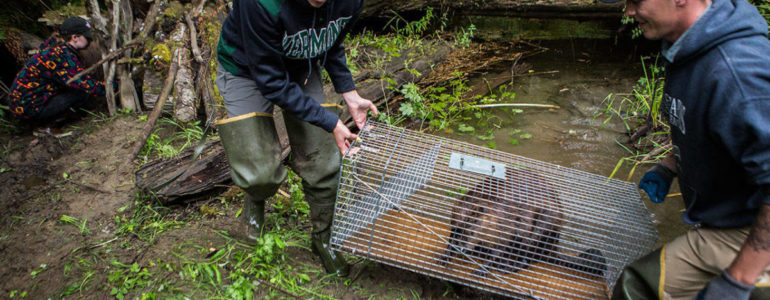
9. For tribes, climate change fight is about saving culture
Meade Krosby, a senior scientist with the UW Climate Impacts Group, is working with the Tulalips to determine the impacts on tribally important plants. The Tulalips have been leaders in organizing meetings, conferences and workshops around climate change.
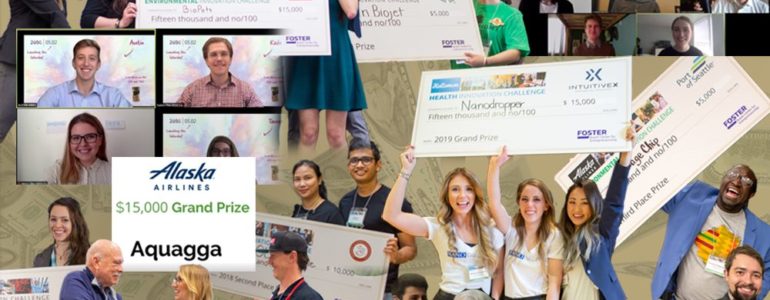
8. Innovative new prizes add to competition experience
EarthLab is proud to sponsor a prize at the Alaska Airlines Environmental Innovation Challenge, presented by Foster School’s Buerk Center for Entrepreneurship. The Community Impact Prize recognizes innovation in developing a product, solution, or demonstrated business model that mitigates or makes communities more resilient in the face of climate change while prioritizing equity and justice.
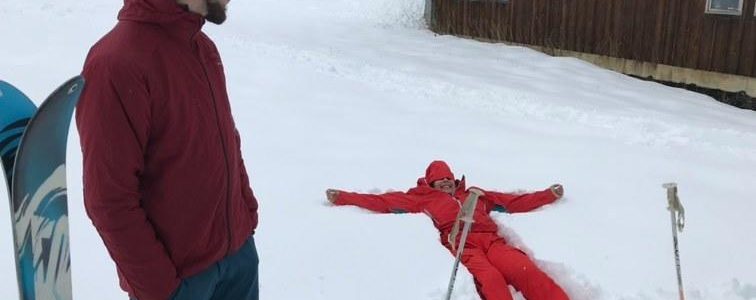
7. How to avoid cabin fever in WA’s pandemic winter
With each passing month, more and more Washingtonians are suffering under the physical, emotional and financial damages of enduring a lengthy pandemic. And as we find ourselves in the coldest, darkest days of the year during the worst-case surge yet, it can feel like a herculean task just to take a daily walk around the block. (Crosscut)
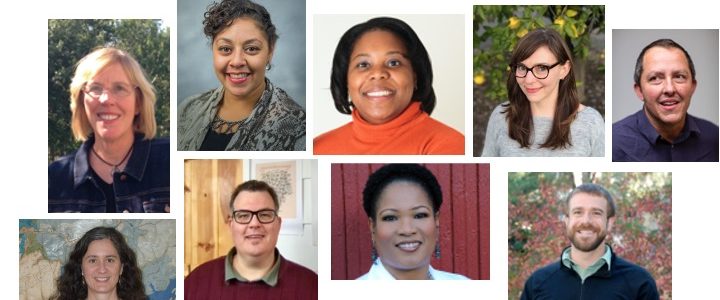
6. Project to create anti-racism education wins Mellon grant
Cleo Woelfle-Erskine, faculty advisor for EarthLab member organization Future Rivers and assistant professor in the School of Marine & Environmental Affairs, is part of a team of academics that was recently awarded $5 million from the Andrew W. Mellon Foundation to fund an interdisciplinary, multi-year project to advance anti-racist practices and pedagogy in science, technology, engineering, mathematics and medicine (STEMM).
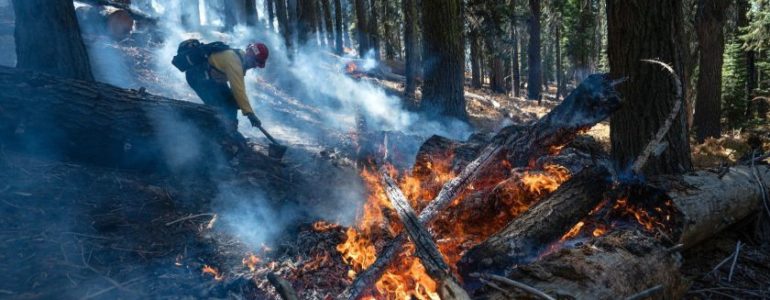
5. EarthLab and Population Health co-fund pilot grant to improve communication around smoke exposure in rural and tribal communities
EarthLab and the Population Health Initiative have announced a new pilot research grant award to study how Tribal and non-Tribal communities in the Okanogan River Airshed Emphasis Area (ORAEA) receive and communicate information about smoke exposure.
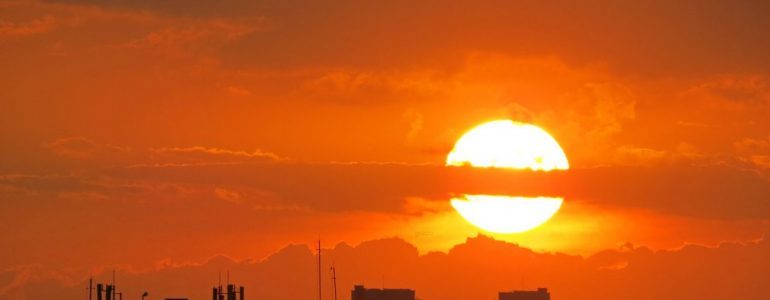
4. Burning Embers: Synthesis of the Health Risks of Climate Change
Additional climate change is projected to increase for heat-related morbidity and mortality, ozone-related mortality, dengue and Lyme disease from undetectable to severe risks as the planet continues to warm, according to new research published by the Center for Health and the Global Environment (CHanGE) at the University of Washington.
3. CHanGE comes to EarthLab
New collaboration between UW Center for Health and the Global Environment (CHanGE) and EarthLab will accelerate climate research, action and resilience.

2. EarthLab equity and justice reads: Minor Feelings: An Asian American reckoning
EarthLab has selected Minor Feelings: An Asian American Reckoning by Cathy Park Hong for our equity and justice book club this quarter. This book was selected from several works written by and about the Asian-American experience.
1. Announcing the 2021 EarthLab Innovation Grants RFP
The Innovation Grants Program will invest in teams of community partners and academic researchers and students at the University of Washington (UW) who are interested in developing solutions at the intersection of climate change and social justice.