EarthLab News
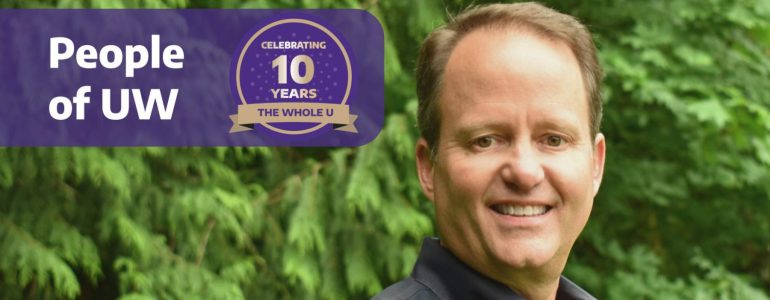
Ben Packard leads EarthLab’s efforts to connect UW resources to community action addressing the threats — and inequities — of climate change
Identifying the root cause of the climate crisis is simple enough. Finding solutions? Not so simple. It requires enormous creativity, commitment and collaboration, often among traditional antagonists in the public, private and nonprofit sectors.
To foster these ad hoc collaborations, there is UW EarthLab, a transdisciplinary institute within the College of the Environment that is connecting the diverse research expertise and student energy of the University of Washington to community-driven initiatives mitigating the effects of and building resilience to climate change—with a focus on climate justice.
Read more
Tribal leaders host summit to share climate change stories, solutions [Seattle Times]
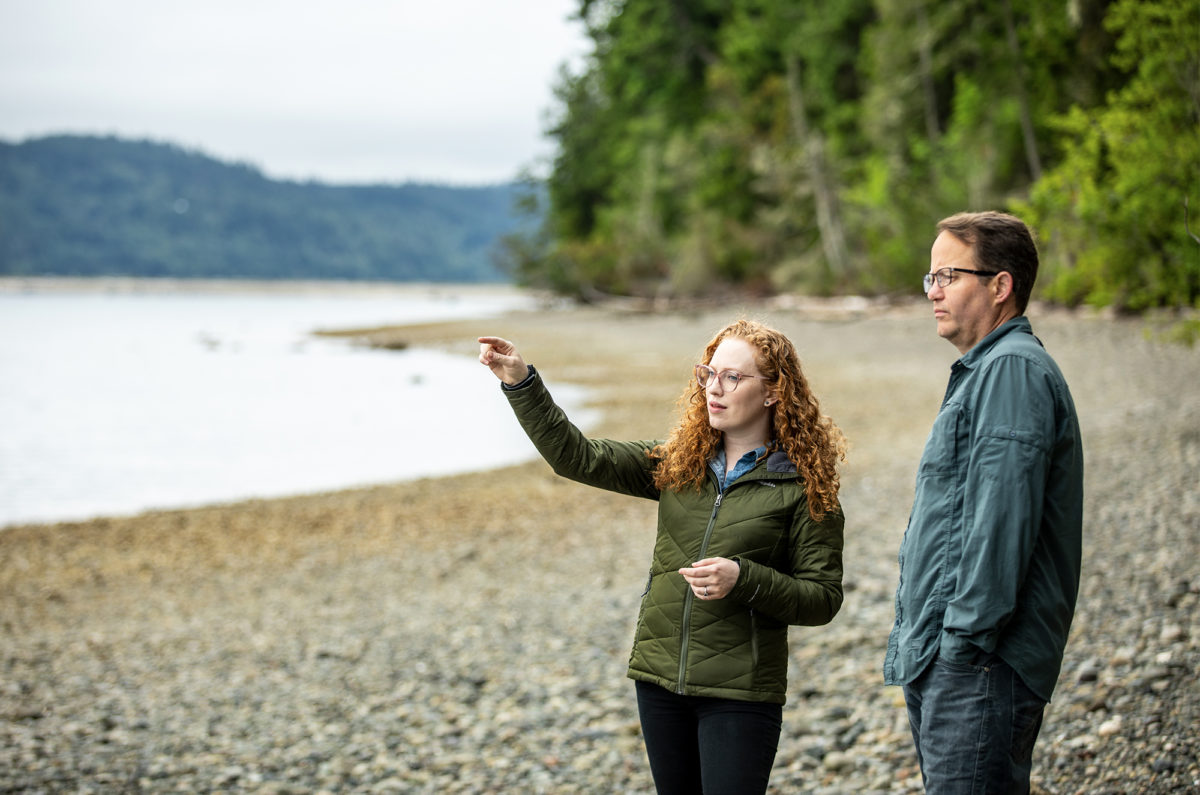
Meade Krosby, a senior scientist at the University of Washington Climate Impacts Group, and Amelia Marchand, a citizen of the Colville Confederated Tribes and the senior tribal climate resilience liaison at affiliated tribes and the Northwest Climate Adaptation Science Center, led a discussion on a project they are co-leading to support climate readiness of Northwest coastal tribes.
Read more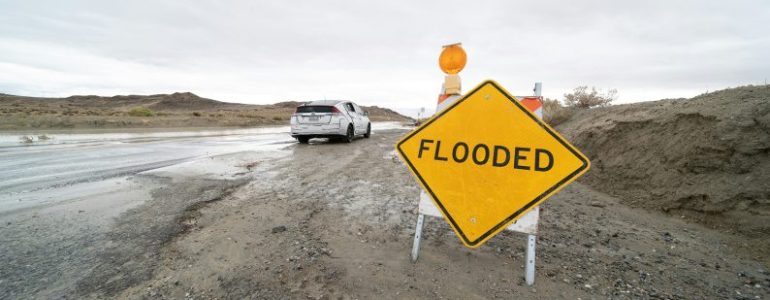
El Niño shows us the true face of climate change
Though the El Niño period we’re in is natural and relatively predictable, its impacts on the global environment and economy have been significant — from sweltering heat in Australia to deep freezes across the southern U.S. El Niño may be giving us a glimpse of what’s to come if climate change is not soon curtailed. Nick Bond and Karin Bumbaco from the Office of the Washington State Climatologist (an EarthLab member organization) quoted.
Read more5th National Climate Assessment authors include UW climate experts
Three University of Washington EarthLab experts are among the authors of the newly released Fifth National Climate Assessment, an overview of climate trends, impacts and efforts to mitigate and adapt to climate change across the nation. The assessment is produced roughly every four years, led by the U.S. Global Change Research Program and mandated by Congress. The fifth edition, released Nov. 14, assesses current and future risks posed by climate change in 10 regions.
Read moreCIG and partners mark release of Fifth National Climate Assessment
Climate Impacts Group scientists were among hundreds of authors of the newly-released Fifth National Climate Assessment. The assessment, released roughly every four years by the The U.S. Global Change Research Program, assesses the effects of climate change on a wide range of sectors and for 10 geographic regions across the U.S.
The assessment captures a range of potential impacts and aims to help decision-makers better identify and understand climate risks that could be avoided or reduced. Over a three-year period, authors synthesize individual studies, data and models and apply best expert judgment to characterize certainty.
Dr. Crystal Raymond, climate adaptation specialist at the Climate Impacts Group, and Erica Asinas, formerly a research scientist at the Climate Impacts Group and now at Urban Oceans Lab, are authors on the Northwest Chapter.
Read more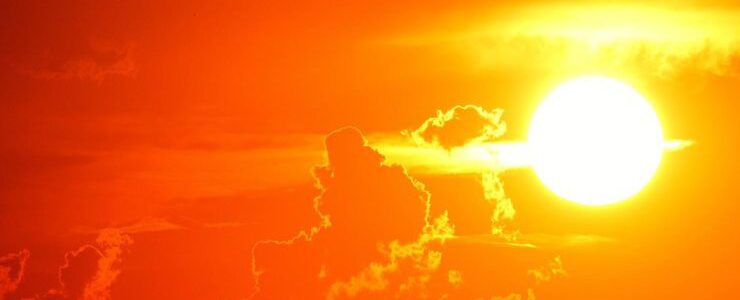
The heat is on: How to protect health in extreme heat
To get ready for a hotter future, experts say Washington urgently needs to prepare now. A team of UW researchers, including leaders from the Center for Health and the Global Environment, and UW Medicine is leading collaborative research, creating new tools and building partnerships to help Washington and the Pacific Northwest get ready for what's coming.
Read more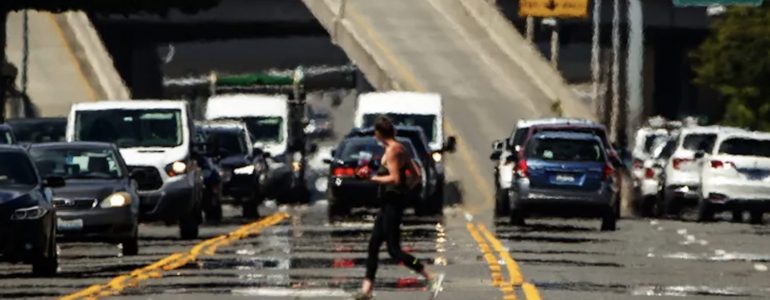
Seattle Times Front Page Feature: UW report offers solutions to help prevent deaths during WA heat waves
Two years after the 2021 heat dome, Washington’s deadliest weather-related disaster, researchers are still trying to pin down its full impacts and what lessons can be learned. Officials estimate 126 people died from the heat between June 26 and July 2, 2021, when Washington set 128 all-time high temperature records, including in Seattle where people sweltered in up to 108 degrees. But a new report from the University of Washington says the heat dome was likely far deadlier, with 441 more people dying during that week than would have been expected based on previous years, after accounting for COVID-19.
Read more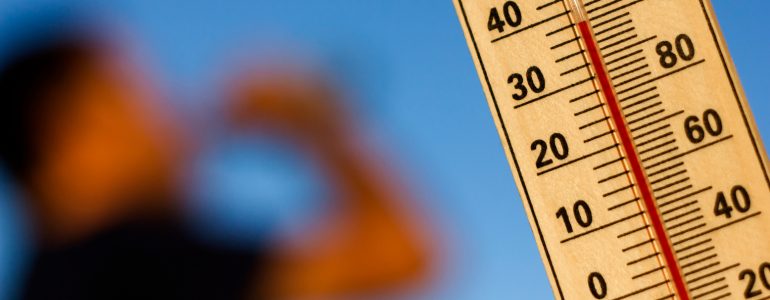
Opinion: How we can better protect all residents during WA’s next heat wave
Drs. Jason Vogel and Jeremy Hess write about the recent report, “In the Hot Seat: Saving Lives from Extreme Heat in Washington State,” for the Seattle Times. “We clearly need to prepare for extreme heat going forward. If we do not take the lessons of 2021 to heart, the consequences will be predictable and devastating. We have been warned.”
Read more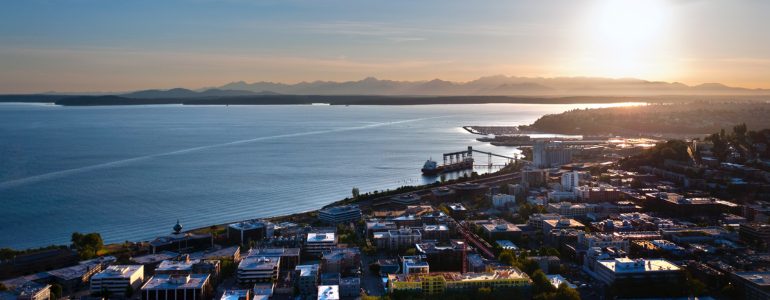
New report, tool suggest how Washington can better protect against extreme heat
In June 2021, the “heat dome” that struck the Pacific Northwest sent temperatures in Seattle to an unprecedented 107 degrees Fahrenheit and set 128 all-time high temperature records across the state. The event was partly due to climate change. As the climate continues to warm, these hotter stretches are projected to hit the region with increasing frequency. Two years after that event — the deadliest weather-related disaster in state history — a collaborative effort led by two University of Washington teams, the Climate Impacts Group and the Center for Health and the Global Environment, or CHanGE, has drawn up recommendations for how people and groups across the state could prevent future heat-related illness and save lives.
Read more
Introducing Backyard Buoys: Bringing Spotters to Indigenous Communities on the Front Lines of Climate Change
EarthLab is proud to share "Backyard Buoys," a project managed by Washington Ocean Acidification Center co-director Jan Newton. Through EarthLab's centralized service model, Newton was able to put through a major project proposal for the NFS Convergence Accelerator program, where she and her team received $5 million to collaborate with Sofar Ocean Technologies and coastal Indigenous partners on a community-led ocean observing project. Backyard Buoys uses simple and affordable instruments, called "Spotters," to put access to and stewardship of ocean data in the hands of those most affected by climate change on the coast.
Read more