EarthLab News
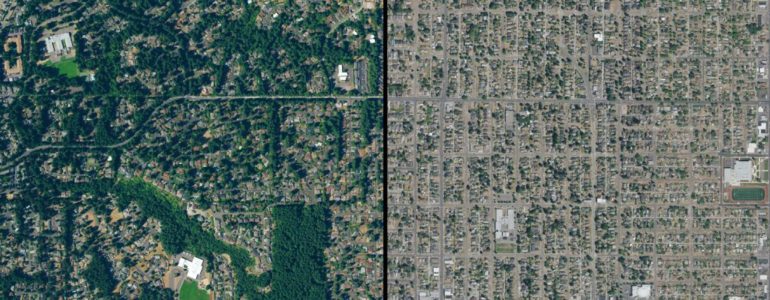
Systemic racism has consequences for all life in cities
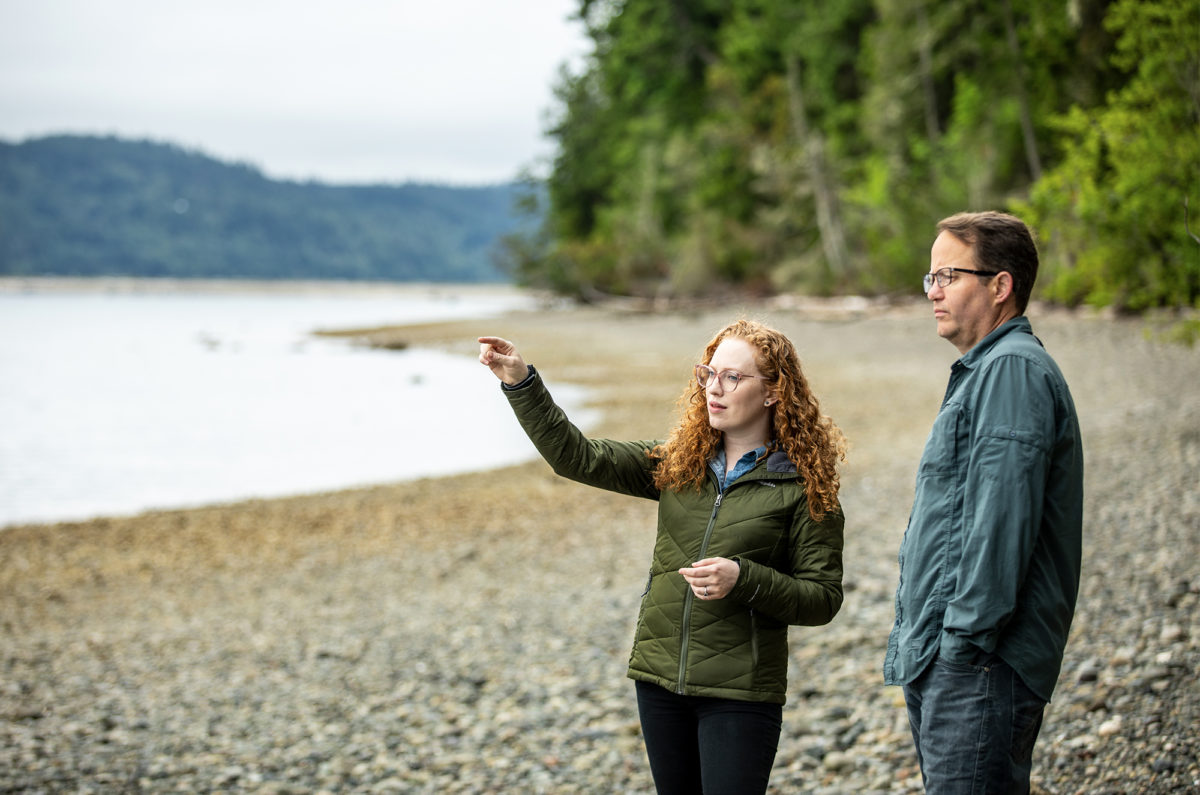
Two EarthLab Innovation Grant principal investigators, Christopher Schell and Cleo Woelfle-Erskine, co-authored a new paper to show the scientific community that fundamental practices in science are based on systems that support white supremacy and perpetuate systemic racism. This article was originally published in UW News.
Read more
Can Trees Clean Up Jet Pollution?
This article was originally published on the DEOHS blog.
New DEOHS study uses drones to test whether vegetation filters harmful aircraft pollution
Frederick Law Olmsted, who designed New York’s Central Park, once called trees the lungs of the city.
Trees and shrubs filter a variety of air pollutants, including nitrogen dioxide, ozone and particulate matter.
But could they also benefit communities near airports by absorbing harmful ultrafine particles from aircraft exhaust?
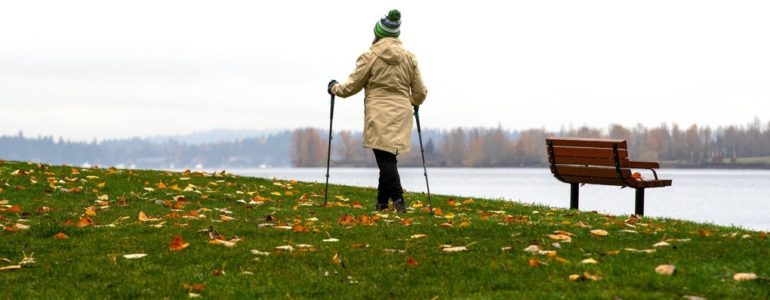
Here’s a mental health tip to get you through coronavirus quarantine: Find tranquility in nature
The Seattle Times published a story that features Nature and Health leaders Kathleen Wolf, research social scientist at the College of the Environment and Peter H. Kahn Jr., professor in the UW psychology department and the School of Environmental and Forest Sciences.
Read more
EarthLab funds environmental research for underrepresented communities
Through various projects and innovation grants, EarthLab combines the research and expertise from UW faculty, staff, and students with nonprofits, businesses, policymakers, and other stakeholders to develop solutions to environmental challenges.
Read more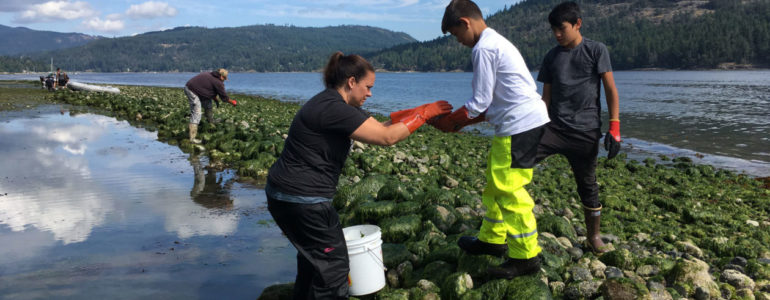
How Native Tribes Are Taking the Lead on Planning for Climate Change
For thousands of years, the indigenous peoples of the West Coast would build rock walls at the low tide line, allowing sand to pile up behind them, making the slope of the beach gentler, and expanding the area of the intertidal zone that clams like to call home. These simple clam gardens are effective at boosting shellfish numbers, and have long been used to improve food security for traditional peoples.
Climate Impacts Group's Meade Krosby was quoted in this article from Yale Environment 360.
Read moreClimate Impacts Group summarizes Washington climate impact on water
This article was originally published in Seattle Weekly.
Climate change is affecting water systems in Washington, and with nearly 70 percent of the state’s population living near the coastline, it will likely affect life in the state in the coming decades.
A new summary published by the University of Washington’s Climate Impacts Group consolidated a September report from the Intergovernmental Panel on Climate Change and localized it for the state.
How climate change could impact the beer you drink
This story originally appeared on King 5.
Climate change may threaten one of our nation’s favorite fizzy beverages: beer.
Rising temperatures across the world could impact some of the key ingredients in beer, including hops. Hops are flowers that are used to flavor beers. The flowers are a cousin of cannabis but with no THC.
The Yakima Valley in eastern Washington is the largest producer of hops around the world, and it requires a lot of irrigation to grow.

New Day NW shares the couch with EarthLab
EarthLab’s Sally Jewell and Ben Packard sat down with host Margaret Larson to discuss how we are committed to using UW’s research science to help businesses and society prepare for the environmental challenges of the future.
Read more