Cohort 3 Projects
The EarthLab Innovations Grant Program was launched in 2019 to fund actionable environmental research. The 2022-23 EarthLab Innovation Grants program received 33 high-quality proposals for research at the intersection of climate change and social justice. Proposals were evaluated by an 11-member review committee that included faculty and staff from several disciplines and a community member from outside the UW. The following programs were each awarded up to $75,000 to generate equitable and actionable science and knowledge that make a positive impact on people and communities. The award period lasts 16 months and final products are due by September 30, 2023.
Centering Place and Community to Address Climate Change and Social Justice
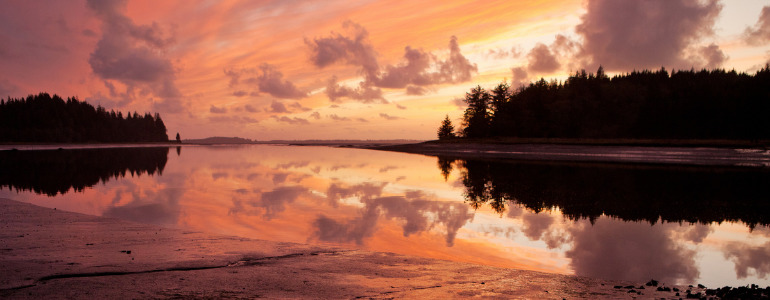
This project partnered with the Shoalwater Bay Indian Tribe to support climate resilience planning and relocation to higher ground. Through community workshops, interdisciplinary research, and student-led design studios, the team developed culturally grounded strategies for housing, infrastructure, and adaptation. The work has contributed to Tribal planning efforts, supported funding applications, and created a foundation for continued collaboration.
Seattle Assessment of Public Health Preparedness and Response (SASPER): Duwamish Valley pilot project
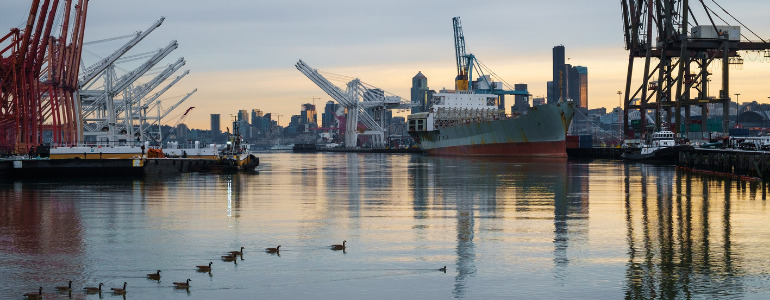
This project developed a Community Partnership Agreement to govern the academic community research relationship, including principles of collaboration, roles, responsibilities, research sharing, and co-authorship of research reports and journal publications, before conducting door-to-door survey of 167 households related to disaster awareness. The team held community-led, trauma-informed Listening Sessions in English and Spanish, community presentations, and published Community Fact Sheet and online story map in English and Spanish.
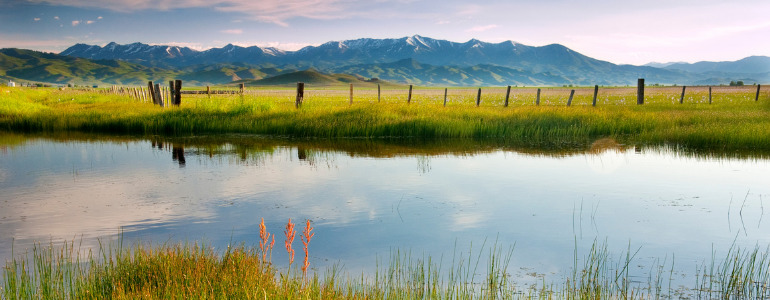
Cultural Ecosystems in a Changing World: Building a Network Across the Northwest to Support Food Sovereignty, Climate Adaptation and Land Rights
This project brought together Tribal Nations, First Nations, researchers, and restoration practitioners across the Pacific Northwest to strengthen Indigenous-led food sovereignty, cultural ecosystem restoration, and knowledge sharing. Through cross-border convenings, field experiences, and partnerships with initiatives such as the Camas Collaborative and Living Breath Symposium, the project fostered new relationships, supported Indigenous stewardship practices, mentored students, and laid the groundwork for an ongoing network dedicated to cultural ecosystems, land rights, and climate resilience. Project featured in Cascade PBS Human Elements segment.
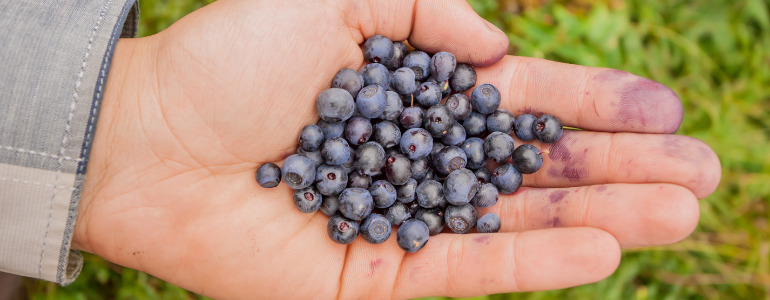
Hunting for Healing: An Academic and Colville Nation Collaboration Seeking to Examine Traditional Food Sources in Light of Environmental Changes
This project mapped the traditional hunting and gathering practices of the Collville Tribe using a method of visual storytelling by community members facilitated a deeper understanding of how climate change is influencing traditional food systems and impacting health. Project featured in Cascade PBS Human Elements segment.

The Housing Spectrum, Temperature Extremes and the Costs of Thermal Safety and Comfort: A Community-Informed Policy Evaluation of Weatherization and Energy Assistance Programs
This project brought together researchers, community organizations, and policymakers to examine how housing conditions, energy costs, and extreme temperatures affect household well-being. Through data analysis, surveys, listening sessions, and direct community engagement, the team identified barriers to weatherization and energy assistance programs, informed state policy discussions, and piloted an air-filter distribution program that improved indoor air quality for 45 households.
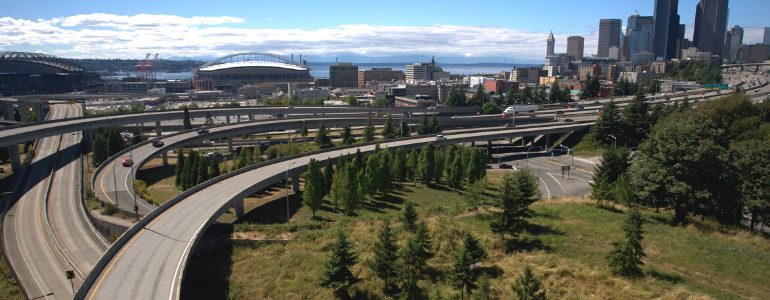
Reverse Redlining
This project brought together University of Washington researchers, Front and Centered, and frontline communities to explore how environmental justice laws can better address cumulative pollution burdens. Through multi-state legal research, community engagement, and policy co-development, the project created model legislative language and practical policy tools designed to advance more equitable environmental protections in Washington State.