EarthLab News
New Research Finds No Safe Space for 12 Key Species Amid Climate-Induced Changing Ocean Conditions
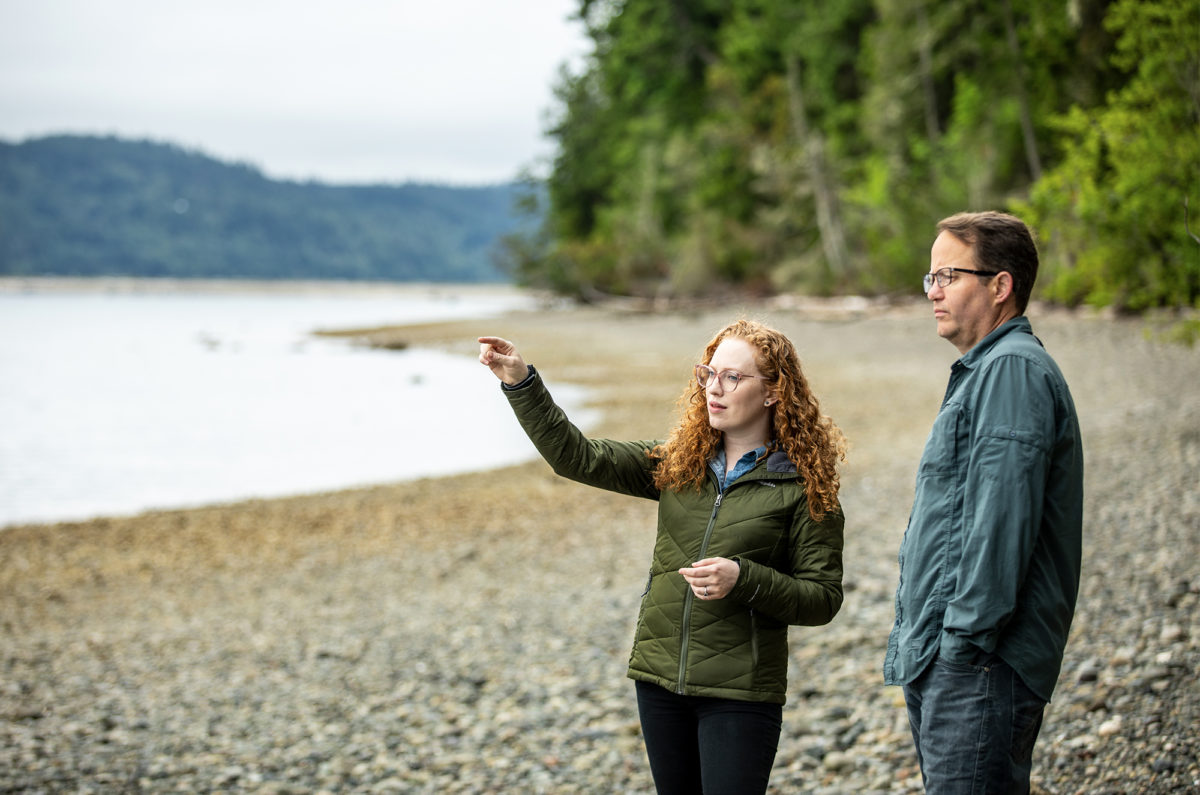
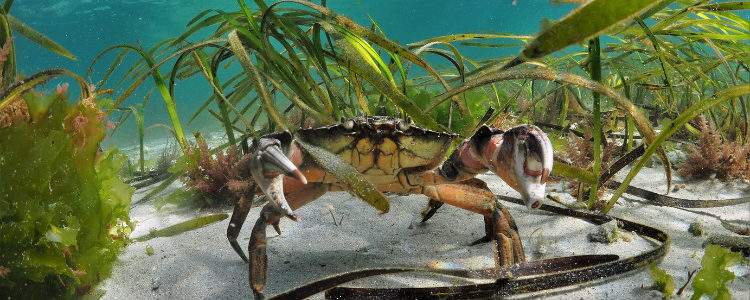
For the generations who grew up watching Finding Nemo, it might not come as a surprise that the West Coast has our own version of the underwater ocean highway – the California Current marine ecosystem (CCME). New research led by Dr. Jennifer Sunday from McGill University and Dr. Terrie Klinger from the Washington Ocean Acidification Center within EarthLab at the University of Washington warns that climate impacts will significantly affect twelve economically and culturally important species home to the CCME over the next 80 years.
Read more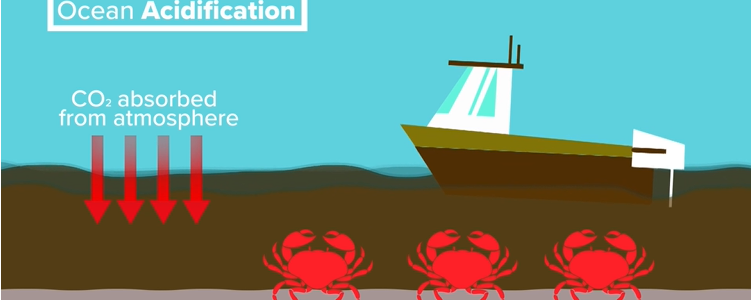
Salish Sea providing a 'window' into the future of ocean acidification
The Washington State Department of Fish and Wildlife (WDFW) is currently studying whether crabs could be impacted by ocean acidification, a process some scientists say Puget Sound is particularly susceptible to. Alex Gagnon, a researcher with the Washington Ocean Acidification Center, discusses the science behind greenhouse gasses, ocean acidification and the important crab industry in Washington state. (KING 5)
Read more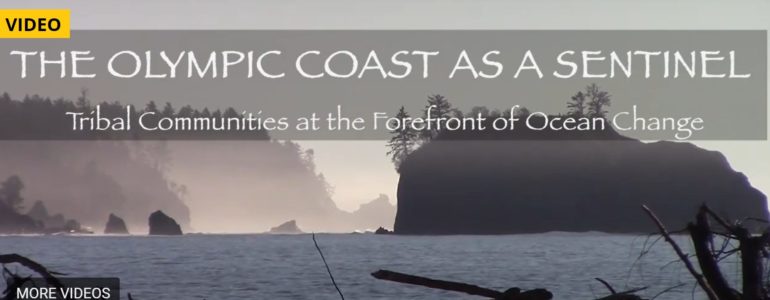
The Olympic Coast as a Sentinel – Tribal Communities at the Forefront of Ocean Change
This beautiful 18-minute film about the Olympic Coast research partnership uses collaborators’ own voices and perspectives on ocean change and tribal resilience to bring the story to life.
Read more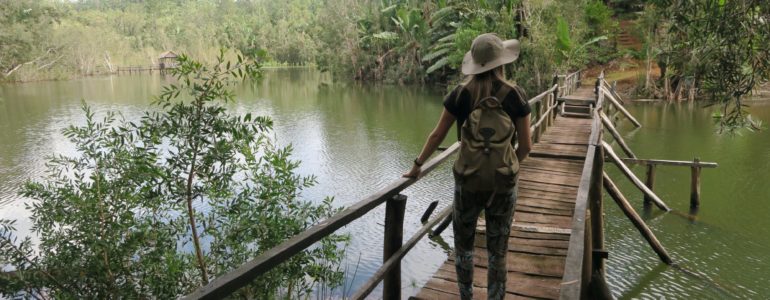
EarthLab and Population Health co-award grant to study new invasive species in Madagascar
We’re excited to announce a new research project that will be co-funded by UW EarthLab and UW Population Health. The aim of the proposed pilot project, “Environmental and human health impacts of a new invasive species in Madagascar,” is to provide the Malagasy government with the information it needs to appropriately manage the invasive marbled crayfish (Procambarus virginalis) in ways that minimize impacts on local biodiversity while maximizing benefits to public health.
Read more
New student program focuses on sustaining freshwater services
From large lakes where fish populations thrive to running rivers that generate electricity, freshwater ecosystems supply our world with critical food, water, and power. With a changing climate and projected environmental changes, little is known about the potential impacts these changes may bring to communities. Enhancing the sustainability of these essential freshwater resources by developing a dynamic workforce is necessary in the face of change.
Read more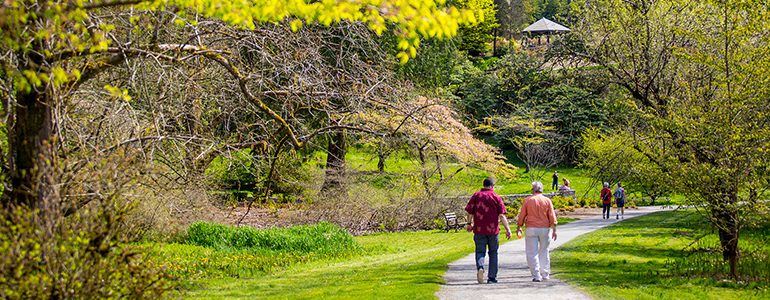
Spend time outdoors this summer to reap health benefits
Fresh air, lush foliage, open space, and sunshine. Time spent outdoors isn’t just good for the soul—research at UW EarthLab is showing it’s also good for the mind and body.
Even in the Pacific Northwest, where the weather is often, let’s say, less than optimal, getting out into nature brings with it a host of health benefits.
And there are plenty of options in the Seattle area, even in the heart of the city.

Time outdoors is a natural elixir. Researchers still don’t know why.
At least two decades of research confirms what might seem obvious for many residents of the Pacific Northwest: time in nature is good for you. It can lower blood pressure, alleviate depression and anxiety, and even reduce nearsightedness in children.
But how often should you interact with the natural world? Where? And for how long? Is gazing at the stars from your backyard enough to reap rewards?
Pollinators need people
A global study has concluded that people are essential to conserving the pollinators that maintain and protect biodiversity, agriculture and habitat.
“There’s increasing awareness of the importance of pollinators to our quality of life,” lead researcher Rosemary Hill said. “That discussion is often reduced to how to protect bees, and how to expand the amount of land managed as conservation reserves.
3 steps to boost your child’s outdoor time — and health
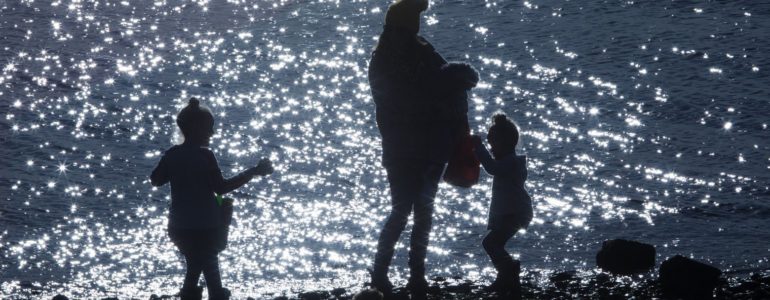
According to the best available evidence, connecting with nature offers considerable promise in addressing a range of health challenges. Pooja S. Tandon, a pediatrician and researcher at Seattle Children’s Hospital, assistant professor at the University of Washington, and active member of UW EarthLab’s Nature for Health initiative, and Kyle Yasuda, the 2018 president-elect of the American Academy of Pediatrics and co-founder of BestStart Washington, penned an opinion piece in the Seattle Times about how outdoor play is correlated with physical activity, improved motor skills, better vision and vitamin D levels — especially in children.
Read more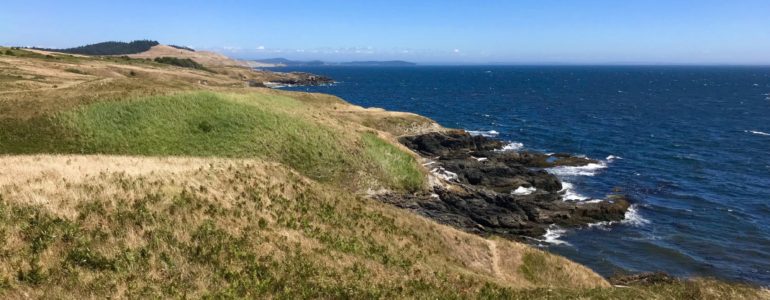
Center supports an action-oriented social science research agenda for the Salish Sea
The Center, with the Center for Canadian-American Studies at Western Washington University, was awarded a four-year Title VI grant in September in part to build regional expertise on the Salish Sea. A key initiative includes support for Social Science for the Salish Sea, a project co-led by staff at UW EarthLab and the Puget Sound Partnership, that brings together over 40 social scientists and environmental practitioners from diverse disciplines, organizations, and Tribes and First Nations in the region to outline a research agenda aimed at improving our understanding of the human dimensions of the Salish Sea.
Read more