EarthLab News
A dose of nature: New UW initiative to spearhead research on health benefits of time outside
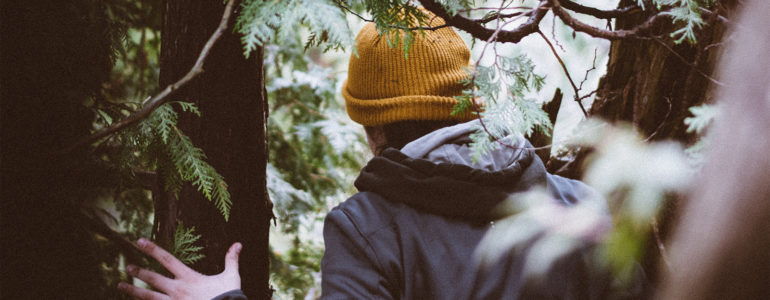
Time spent in nature can reduce anxiety and help you sleep better at night, experts have found. It also offers promising benefits for a range of health issues, including cardiovascular disease, depression and obesity.
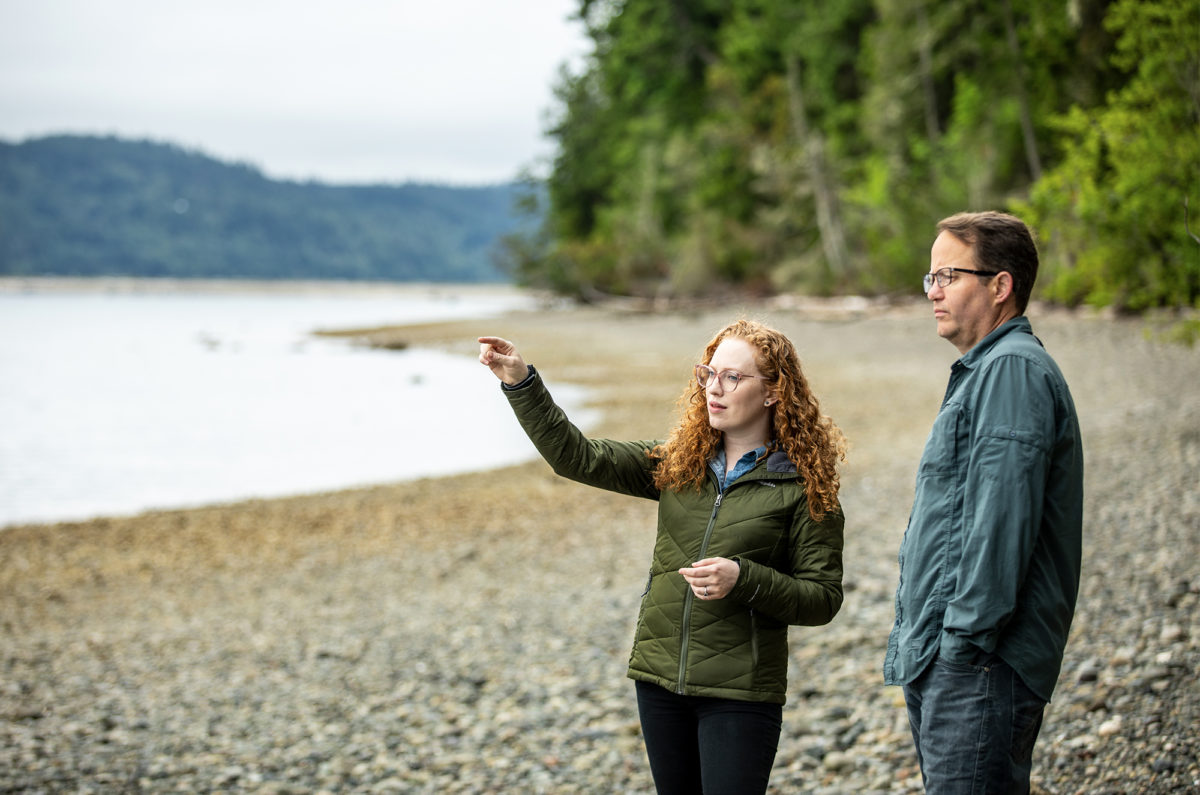
But there are still many questions about how time in nature can help with these health conditions, and others. A new University of Washington initiative announced this week seeks to advance research on these questions, connecting academic researchers with pediatricians, childcare providers, mental health practitioners and others who work with various populations on critical health issues.
Can hiking help heal veterans with PTSD? Researchers seek to find out
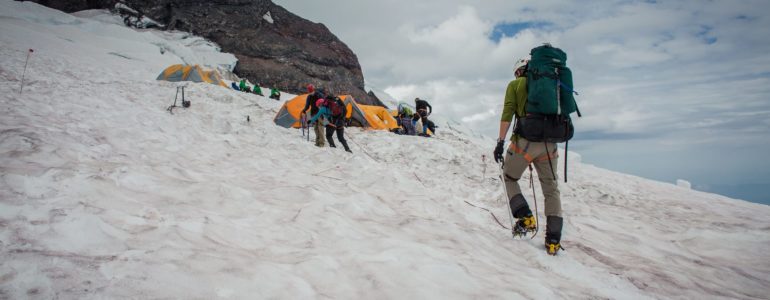
One fall day on Washington’s Mount Rainier, Josh Brandon and a group of fellow active duty platoon leaders discovered something about the outdoors that could improve the lives of veterans.
It was September 2009 and the group had decided to make a late-season summit attempt of Washington’s highest peak as part of a team-building exercise. The platoon leaders, who were all members of the same infantry company, began their climb in the early morning hours.

Combining science and art to shift our thinking and spur action in a changing world
We’re living in the Anthropocene, or the epoch in which humans are—for the first time—the dominant driver of global change related to climate and the environment. As polar ice melts, sea levels rise, and storm and wildfire seasons get longer and more intense, climate projections suggest the Earth will be several degrees warmer by 2100. Although most Americans say climate change is an important topic, research shows fewer than half see it talked about in the media and just one in five discuss it with their peers.
Read more
How do nature and health connect? Center for Creative Conservation symposium asks just that
Can exposure and access to nature give a boost to human health? That question was front and center at the EarthLab Center for Creative Conservation’s recently convened Northwest Nature and Health Symposium. On tap for the day were leaders in education, planning and conservation — including former secretary of the interior Sally Jewell — all exploring the health benefits that come with being outside.
Read more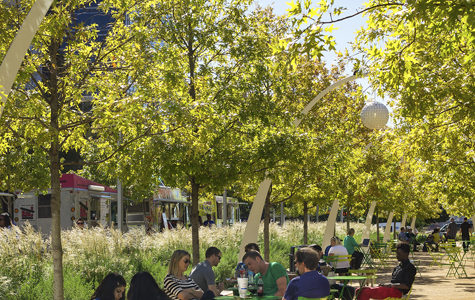
What we still don’t know about the health benefits of nature
We know that connecting with nature is good for us, but there are still many questions that need to be answered through more credible scientific research: What is the ideal “dose” of nature? What health conditions do these doses actually help with? Does duration and frequency of dose matter? How long do the benefits last? Does who you are and where you live impact how beneficial exposure to nature will be?
Read more
Reconnecting with nature: a research agenda from Center for Creative Conservation working group
At a time of increasing disconnectedness from nature, scientific interest in the potential health benefits of connecting with nature has grown. Research in recent decades has yielded substantial evidence of nature’s health benefits, but large gaps still remain. Lead by Howard Frumkin, the Center for Creative Conservation’s Nature and Health working group published a proposed research agenda on nature contact and health.
Read more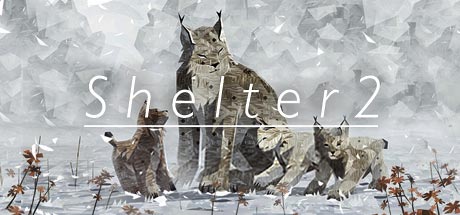
Eco, Shelter 2 and Walden win awards at EarthGames on Tap
Three earth-friendly video games won awards at the Center for Creative Conservation’s inaugural EarthGames on Tap event, which took place May 18, 2017 in Seattle. Twelve stunning “earthgames” were entered into the games showcase. A panel of three judges carefully evaluated the games based on their potential to have an environmental impact and the quality of their game play. In the judges’ competition, Shelter 2 won first place and Walden won second place.
Read more