EarthLab News
Climate Impacts Group summarizes Washington climate impact on water
This article was originally published in Seattle Weekly.
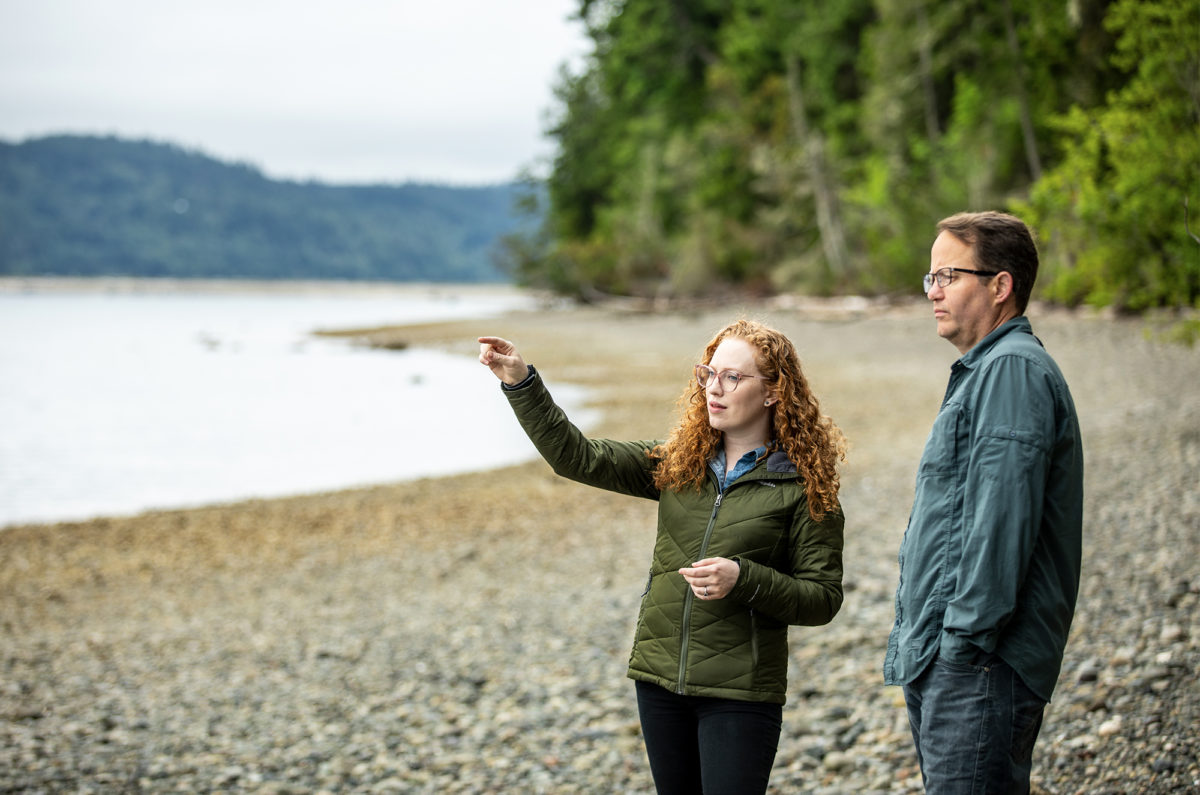
Climate change is affecting water systems in Washington, and with nearly 70 percent of the state’s population living near the coastline, it will likely affect life in the state in the coming decades.
A new summary published by the University of Washington’s Climate Impacts Group consolidated a September report from the Intergovernmental Panel on Climate Change and localized it for the state.
How climate change could impact the beer you drink
This story originally appeared on King 5.
Climate change may threaten one of our nation’s favorite fizzy beverages: beer.
Rising temperatures across the world could impact some of the key ingredients in beer, including hops. Hops are flowers that are used to flavor beers. The flowers are a cousin of cannabis but with no THC.
The Yakima Valley in eastern Washington is the largest producer of hops around the world, and it requires a lot of irrigation to grow.
NW CASC Funding Opportunity! 2020-21 Research Fellowship Program
The Northwest Climate Adaptation Science Center (NW CASC) invites proposals for its 2020-2021 Research Fellowship Program from graduate students at University of Washington (UW), Boise State University (BSU), Oregon State University (OSU), University of Montana (UM), Washington State University (WSU) and Western Washington University (WWU) and postdoctoral scholars at BSU, OSU, UM, WSU and WWU (this Fellowship cannot support postdocs at UW).
Read more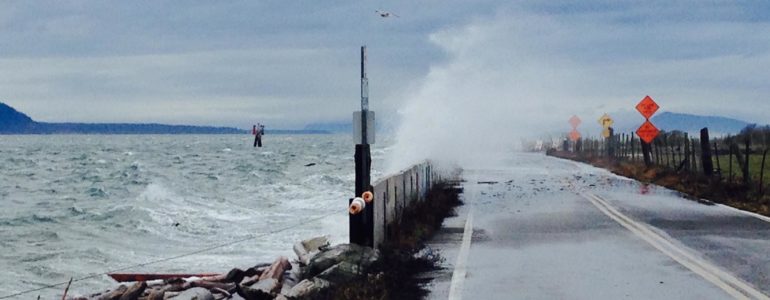
UW, Tableau create interactive tool to explore more than a century of Pacific Northwest weather observations
The University of Washington’s College of the Environment has teamed up with Seattle visual analytics company Tableau Software to create a new, interactive visualization for historical observations of temperature and precipitation in Washington, Oregon, Idaho and western Montana, and for Washington snowpack.
The free online tool lets anybody interact with the records going back as far as 1881 and look for significant trends.
From skiing to salmon runs, the national climate report predicts a Northwest in peril
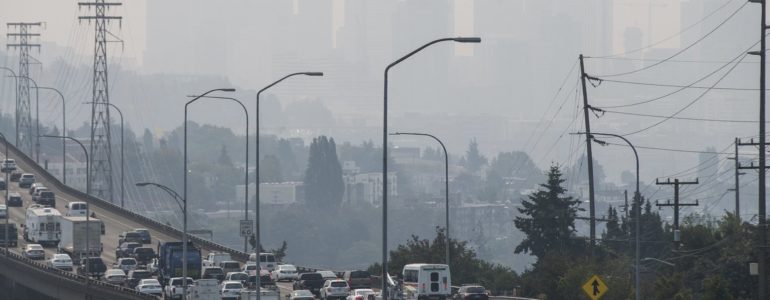
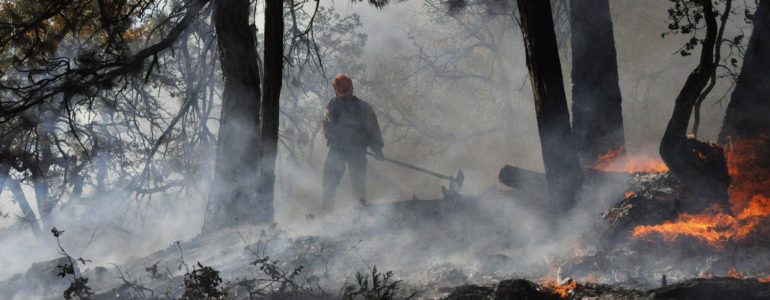
Climate change’s effects – among them, increasing wildfires, disease outbreak and drought – are taking a toll on the Northwest, and what’s to come will threaten and transform our way of life from the salmon streams to ski slopes, according to a new federal climate assessment released Friday.
The 1,000-plus-page report, produced by the U.S. Global Change Research Program, is the most comprehensive evaluation to date of climate change’s effects on the nation’s economy, human health, agriculture and environment.
New resources support tribes in preparing for climate change
Which Pacific Northwest streams will warm the most in the next 50 years, and where would restoration work make a difference for salmon? Where will wildfires and pests be most aggressive in forests as the Earth warms, and how can better management help?
As the natural world responds to climate change, American Indian tribes across the country are grappling with how to plan for a future that balances inevitable change with protecting the resources vital to their cultural traditions.
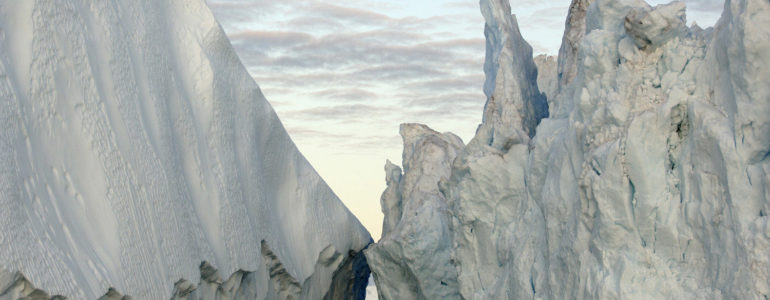
Anthropocene Film Salon
Join EarthLab and the Simpson Center for the Humanities for a screening of Chasing Ice, the first in our Anthropocene Film Salon series. After viewing this provocative film, we will host a discussion and social gathering in hopes of connecting people from the humanities, arts, and the physical and social sciences who would not otherwise meet. Our goal is to foster mutual learning and catalyze new, cross-cutting collaborations addressing the unique social-ecological challenges of the Anthropocene.
Read more
UW professor of global health a lead author on new climate report
The United Nation’s Intergovernmental Panel on Climate Change, or IPCC, this week released a new document that looks at the impacts of global warming of 1.5 degrees Celsius (2.7 F) above preindustrial levels. That was the more ambitious goal established by governments in late 2015 through the Paris Agreement on climate. Governments committed to keeping the planet’s temperature from rising more than 2 degrees Celsius (3.6 F) above preindustrial levels, but to aim for a change no greater than 1.5 degrees Celsius.
Read more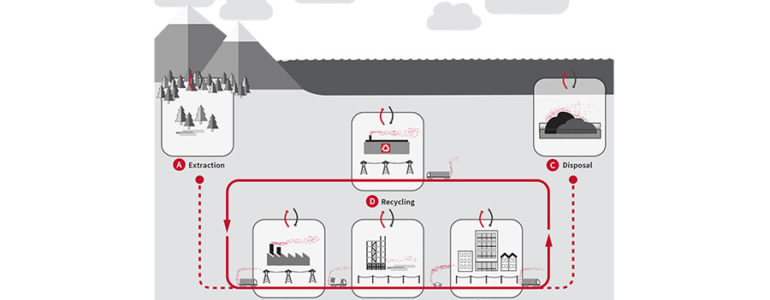
Reducing embodied carbon and operational emissions in buildings
Last week, at the Global Climate Action Summit in San Francisco, Microsoft announced it is the first large corporate user of a new tool to track the carbon emissions of raw building materials. Microsoft is piloting the tool, called the Embodied Carbon in Construction Calculator, or EC3, in the remodel of its 72-acre Seattle campus.
The open-source EC3, which is running on Microsoft Azure, was developed by Skanska with the University of Washington Carbon Leadership Forum, Interface and C-Change Labs.
NW CASC Fellowship Program delivers actionable science and leadership
Creating science that can help natural resource managers and and policy makers make sound decisions about emerging climate-related risks is critical. Through the Northwest Climate Adaptation Science Center’s Fellowship Program, not only is decision-relevant science being advanced, but the next generation of leaders in collaborative research is also taking shape.
Key to the Fellowship Program’s success is its focus on helping early-career scientists deepen both their disciplinary expertise and their ability to collaborate with regional natural resource managers and decision-makers to develop science that helps answer critical management questions.