EarthLab News
Announcing the PNW Climate Ambassadors: Building capacity for public climate conversations
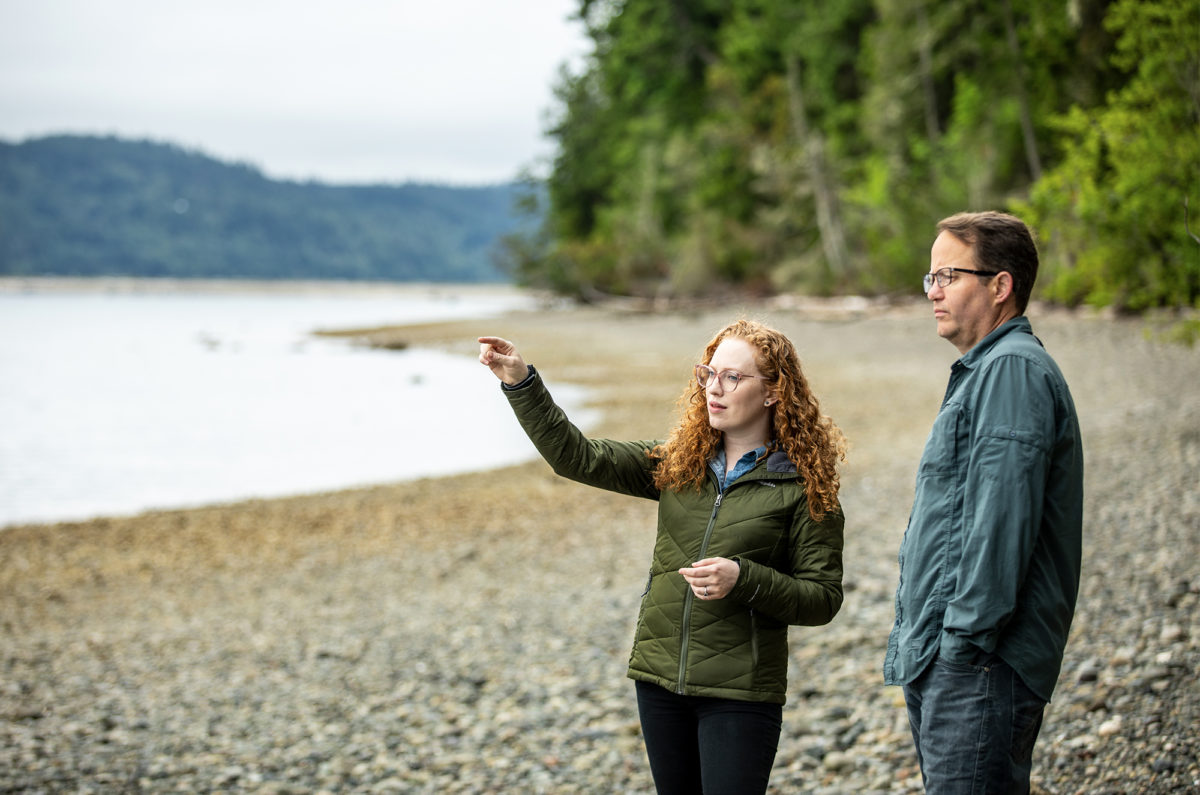
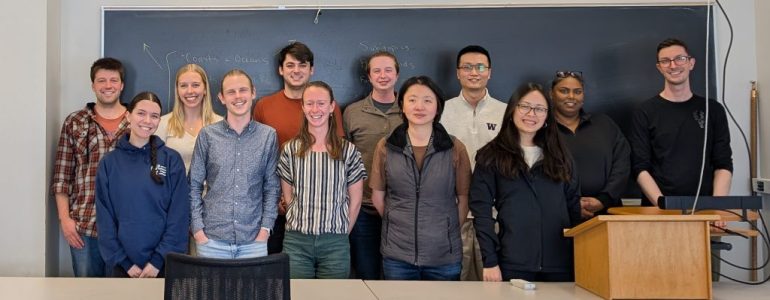
How do scientists develop confidence and experience having conversations with the general public around climate science, global and local impact, and solutions when their areas of expertise are in a disciplinary science such as oceanography or urban planning? In Fall 2024, the Program on Climate Change (PCC), and the Washington State Climate Office (WASCO), set out to create a training program that would help develop the capacity for graduate students to do just that, and to serve as a community resource on climate science and solutions.
Read more
Climate Impacts Group Update: Federal Funding Uncertainty and Potential Program Impacts
The Climate Impacts Group has helped make communities, Washington state, and the Pacific Northwest more resilient to extreme weather events, climate variability, and climate change over the past 30 years. Federal funding uncertainty poses a risk of losing half of all funding that supports this group.
Read more
2024 Report of the Lancet Countdown reveals record-breaking health threats of climate inaction
Dr. Jeremy Hess, director of the Center for Health and the Global Environment, is a contributing author to the Lancet Countdown 2024 Report and a senior author on the accompanying U.S. Country Brief.
Read more
NW CASC Researchers and Collaborators Publish New Study on Centering Socioecological Connections to Collaboratively Manage Post-Fire Vegetation Shifts
A new, NW CASC-supported study describes the types of information, coordination and values needed to manage post-fire vegetation shifts ethically and effectively as they become more common in the face of climate change.
Read more5th National Climate Assessment authors include UW climate experts
Three University of Washington EarthLab experts are among the authors of the newly released Fifth National Climate Assessment, an overview of climate trends, impacts and efforts to mitigate and adapt to climate change across the nation. The assessment is produced roughly every four years, led by the U.S. Global Change Research Program and mandated by Congress. The fifth edition, released Nov. 14, assesses current and future risks posed by climate change in 10 regions.
Read moreNorthwest Climate Resilience Collaborative Releases Second Annual Report
The Northwest Climate Resilience Collaborative is pleased to share the results of our last year of work advancing the climate resilience priorities of frontline communities!
Read moreNew funding for the Northwest Climate Resilience Collaborative supports work in flooding, wildfire smoke
The Northwest Climate Resilience Collaborative is starting two exciting new projects this year that will support adaptation to flooding and wildfire smoke, thanks to funding from NOAA and the Department of Commerce. These projects are: "Stories as science: Integrating lived experience and community knowledge into actionable adaptation science in Pacific Northwest and Pacific Islands regions" and "Understanding the role of social infrastructure in extreme heat and wildfire smoke vulnerability mitigation: A regional comparison in the West and Pacific Northwest regions."
Read more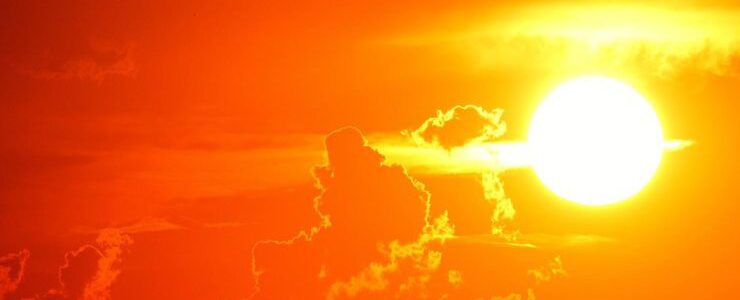
The heat is on: How to protect health in extreme heat
To get ready for a hotter future, experts say Washington urgently needs to prepare now. A team of UW researchers, including leaders from the Center for Health and the Global Environment, and UW Medicine is leading collaborative research, creating new tools and building partnerships to help Washington and the Pacific Northwest get ready for what's coming.
Read more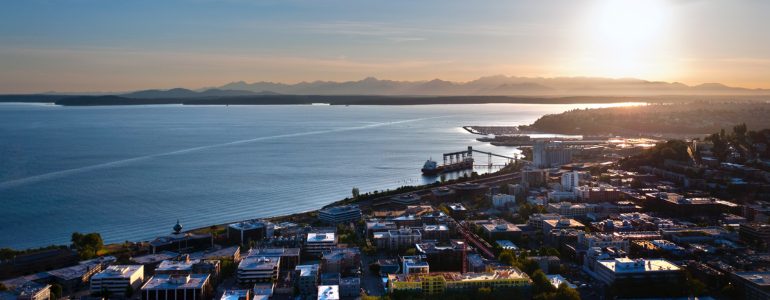
New report, tool suggest how Washington can better protect against extreme heat
In June 2021, the “heat dome” that struck the Pacific Northwest sent temperatures in Seattle to an unprecedented 107 degrees Fahrenheit and set 128 all-time high temperature records across the state. The event was partly due to climate change. As the climate continues to warm, these hotter stretches are projected to hit the region with increasing frequency. Two years after that event — the deadliest weather-related disaster in state history — a collaborative effort led by two University of Washington teams, the Climate Impacts Group and the Center for Health and the Global Environment, or CHanGE, has drawn up recommendations for how people and groups across the state could prevent future heat-related illness and save lives.
Read more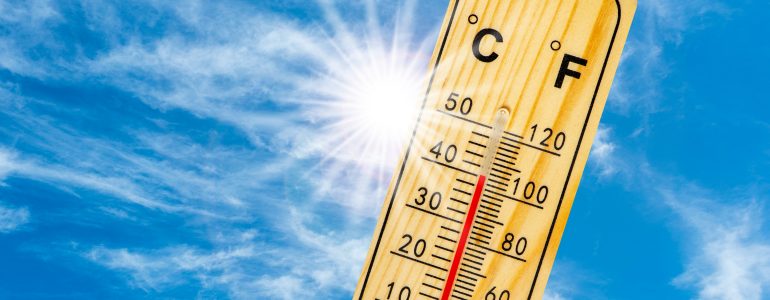
Introducing the CHaRT Tool: Navigating Climate-Related Health Risks
As climate changes continue to affect our lives, it is crucial for decision makers and community members to have the information they need to better understand and then address climate-related hazards. Certain communities bear a disproportionate burden from these hazards, which makes it essential to thoroughly understand the different mechanisms, scales, and geographic distributions of climate impacts on community health.
To address this, the Center for Health and the Global Environment has officially launched the Climate Health and Risk Tool (CHaRT), a groundbreaking interactive platform that helps users explore the intricate relationship between climatic, environmental, social, and economic factors contributing to hazards faced by communities.