EarthLab News
2020 – 2021 Innovation Grants: Now accepting proposals
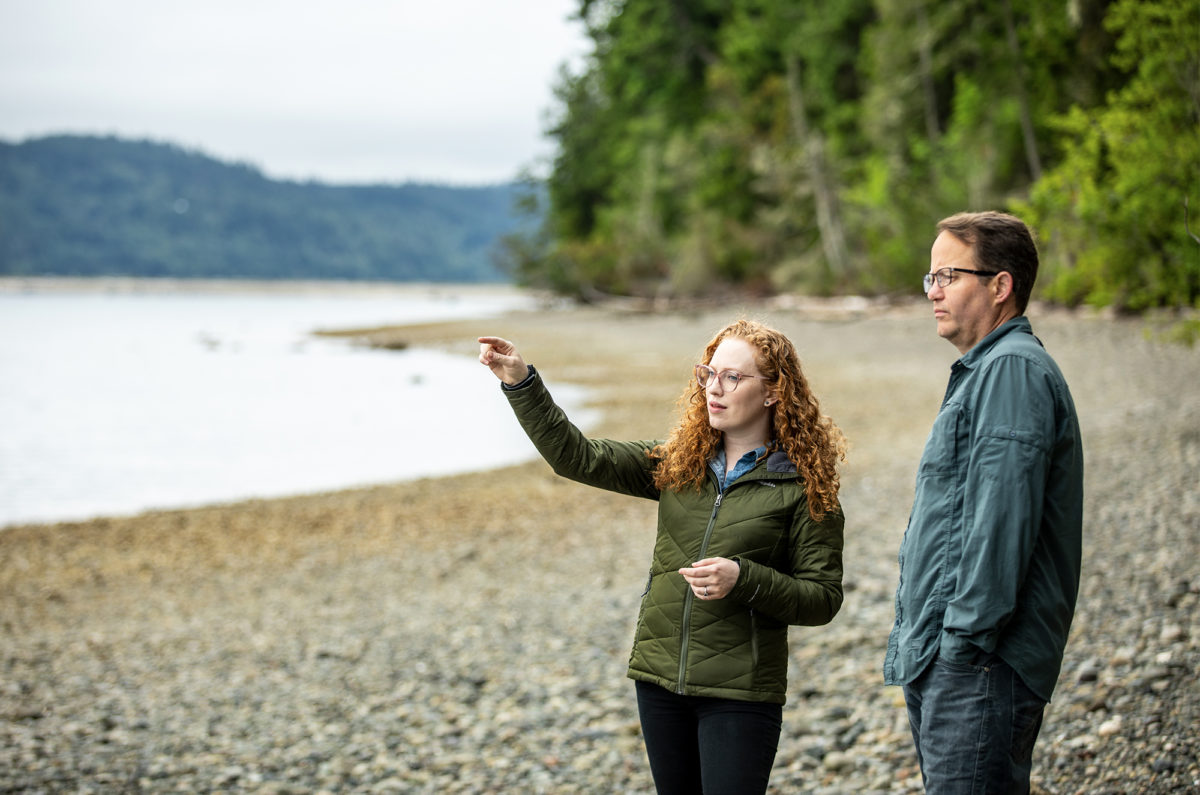
EarthLab is pleased to announce the second round of funding with the 2020 – 2021 Innovation Grants program! The Innovation Grants is an exciting opportunity to make an innovative idea or project come to fruition. Funding is intended to support new partnerships that address pressing environmental challenges and that are led by and with those most impacted by a particular environmental challenge.
Read more
EarthLab Salon 2020: Propose a talk
EarthLab’s mission is to work in partnership with others to accelerate and focus UW expertise to address large-scale environmental challenges, making a positive impact on people’s lives and livelihoods. Underpinning this mission is a commitment to put equity and justice at the core of our work. We recognize that addressing complex environmental challenges requires an understanding of how inequities and injustices are both causes and consequences of such issues.
Read more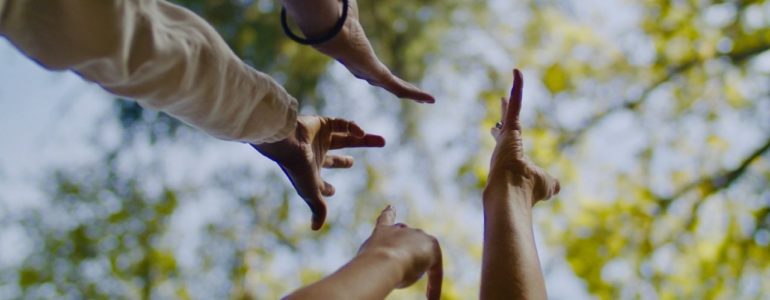
Change from within: Diversifying the environmental movement
Join the opening night reception for Salish Sea Equity and Justice Symposium and the premiere of Change from Within, a dance film by CULTURE SHIFT. EarthLab’s first intern, Jasmmine Ramgotra, created a movement-based representation of interviews she conducted with leaders of Seattle’s environmental community over 5 months, including individuals in government, NGO’s, business, and academia. Using the interview audio as a sound score, and four dancers to communicate the message, the performance presents clear takeaways about how to create positive change on an individual level.
Read more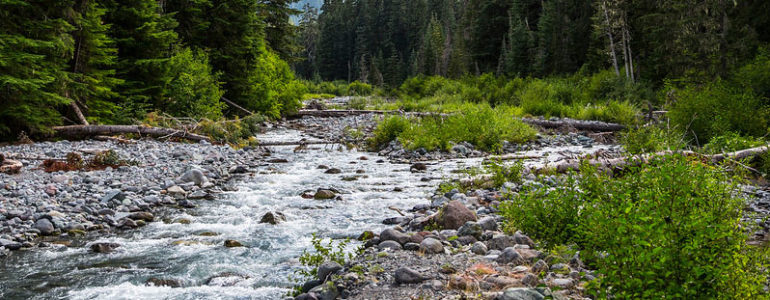
New student program focuses on sustaining freshwater services
From large lakes where fish populations thrive to running rivers that generate electricity, freshwater ecosystems supply our world with critical food, water, and power. With a changing climate and projected environmental changes, little is known about the potential impacts these changes may bring to communities. Enhancing the sustainability of these essential freshwater resources by developing a dynamic workforce is necessary in the face of change.
Read more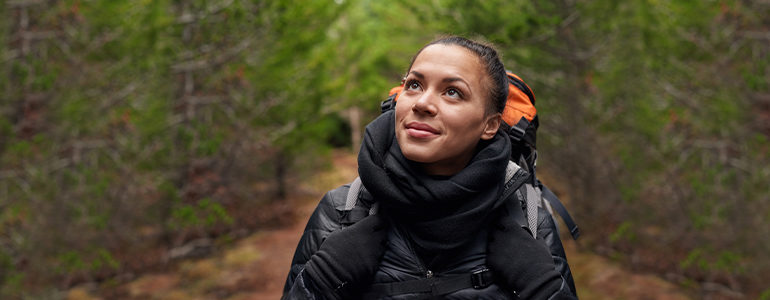
2019 Doug Walker Lecture with J. Drew Lanham
University of Washington’s EarthLab and the College of the Environment are excited to announce our 2019 Doug Walker Lecturer, J. Drew Lanham, PhD. In this lecture, Lanham will discuss what it means to embrace the full breadth of his African-American heritage and his deep kinship to nature and adoration of birds. The convergence of ornithologist, college professor, poet, author and conservation activist blend to bring our awareness of the natural world and our moral responsibility for it forward in new ways.
Read more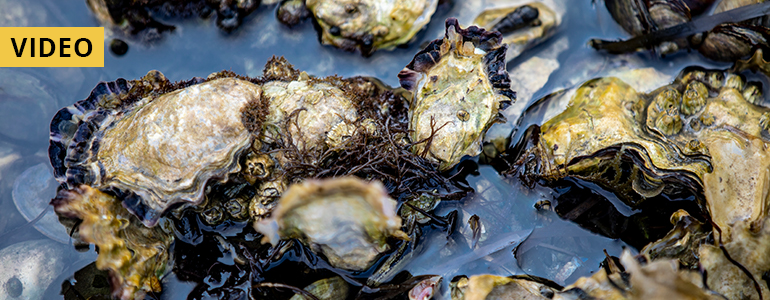
Washington leads: connecting ocean acidification research to people who need it most
At the helm of EarthLab’s Washington Ocean Acidification Center are two experienced ocean scientists, but what they are trying to do is something entirely new. Terrie Klinger and Jan Newton are Salish Sea experts – one an ecologist, one an oceanographer – and they are addressing one of the biggest emerging threats to our environment today, ocean acidification.
“When we first were funded by the legislature to stand up the Washington Ocean Acidification Center, there was no precedent.
EarthLab announces John and Gail Eyler 2019 matching gift challenge
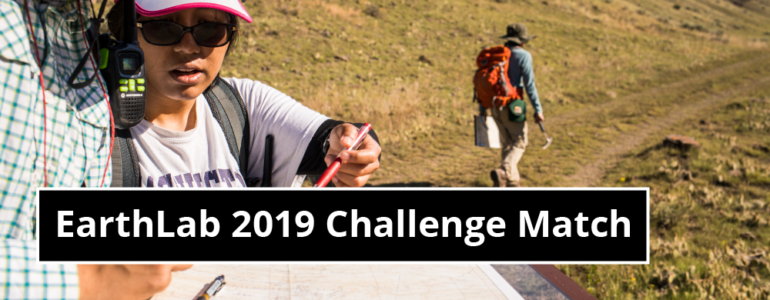
EarthLab has announced a new matching gift challenge through the end of 2019. College of the Environment Advisory Board Member John Eyler and his wife, Gail, have established a generous 1:1 challenge match for EarthLab supporters. They will match gifts of $5,000 or more, up to a total of $100,000, in support of the EarthLab Innovation Fund.
“We are so pleased to offer our support to the EarthLab Innovation Fund because of EarthLab’s deep commitment to environmental justice and actionable science,” said John Eyler.
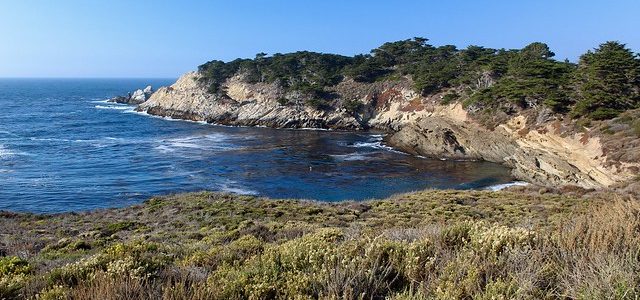
Human well-being related to marine protected areas: a global research synthesis
In the June 2019 issue of Nature Sustainability, EarthLab’s Sara Breslow and researchers from 10 other institutions share their insights gleaned from 118 peer reviewed journal articles of the effects of marine protected areas (MPAs). But their inquiry differed from most studies about MPAs – what, they asked, are the effects MPAs on human well-being? The literature is full of examples that document the ecological effects of marine protected areas, but information is lacking on the overall effects MPAs have on the human communities connected to them.
Read more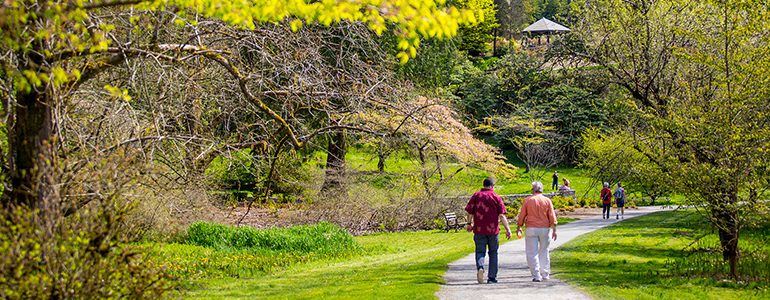
Spend time outdoors this summer to reap health benefits
Fresh air, lush foliage, open space, and sunshine. Time spent outdoors isn’t just good for the soul—research at UW EarthLab is showing it’s also good for the mind and body.
Even in the Pacific Northwest, where the weather is often, let’s say, less than optimal, getting out into nature brings with it a host of health benefits.
And there are plenty of options in the Seattle area, even in the heart of the city.

New Day NW shares the couch with EarthLab
EarthLab’s Sally Jewell and Ben Packard sat down with host Margaret Larson to discuss how we are committed to using UW’s research science to help businesses and society prepare for the environmental challenges of the future.
Read more