Cohort 5 Projects
The EarthLab Innovations Grant Program was launched in 2019 to fund actionable environmental research. The 2024-25 EarthLab Innovation Grants program received 33 high-quality letters of intent to apply for research grants at the intersection of climate change and social justice. In total, 12 full proposals were submitted and evaluated by an 10-member review committee that included faculty and staff from several disciplines and community members from outside the UW. The following programs were each awarded up to $80,000 to generate equitable and actionable science and knowledge that make a positive impact on people and communities. The award period lasts 18 months and final products are due by September 25, 2025.
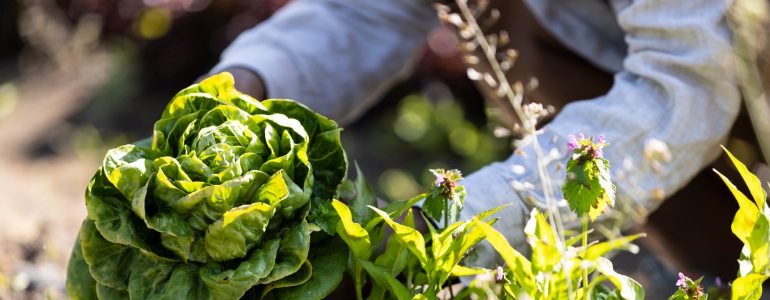
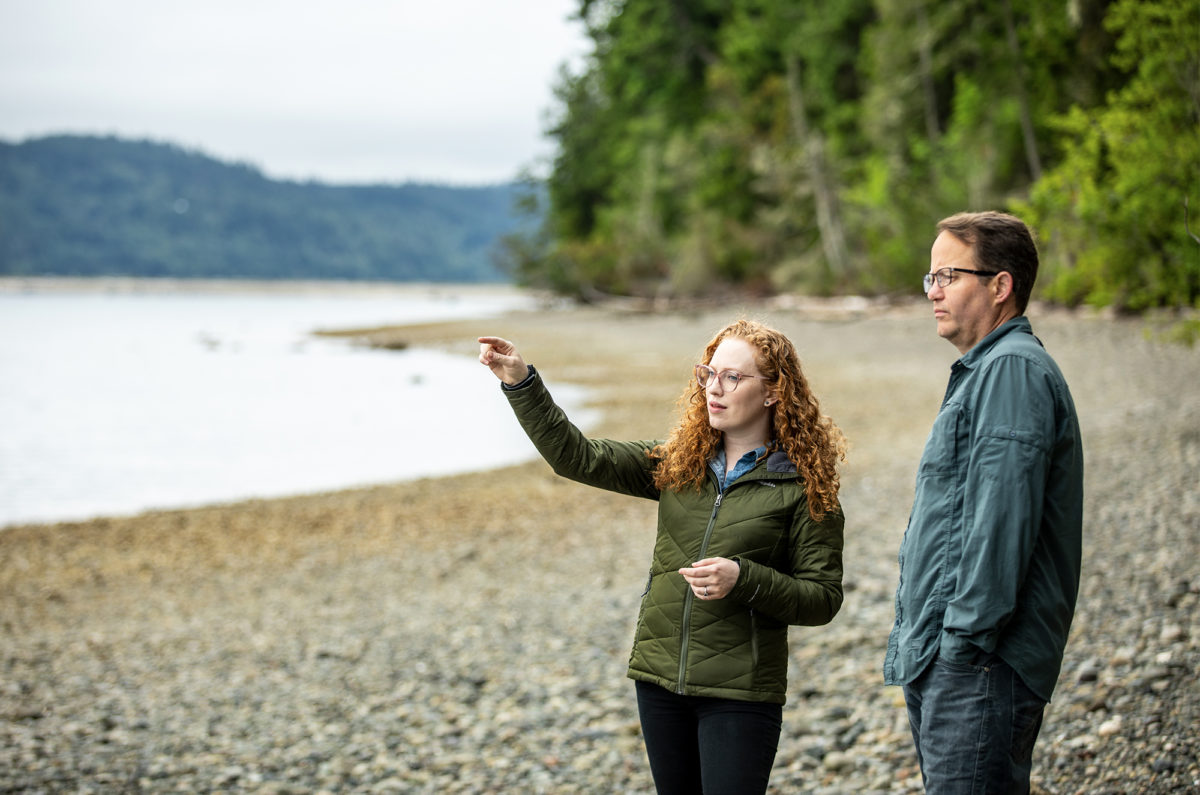
In the Hands of Future Generations: Tribal Youth and UW Students Responding to Climate Grief through Restoration Action, Research, and Video Storytelling
UW students and Tribal partners co-created two Indigenous food forests, planting over 1,000 native plants and transforming them into outdoor learning spaces. The project combined restoration, student research, and video storytelling and food forest documentary film to address climate grief while strengthening long-term, trust-based partnerships with Tribal communities.
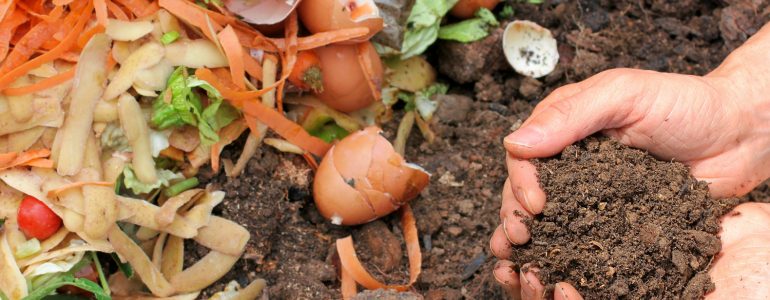
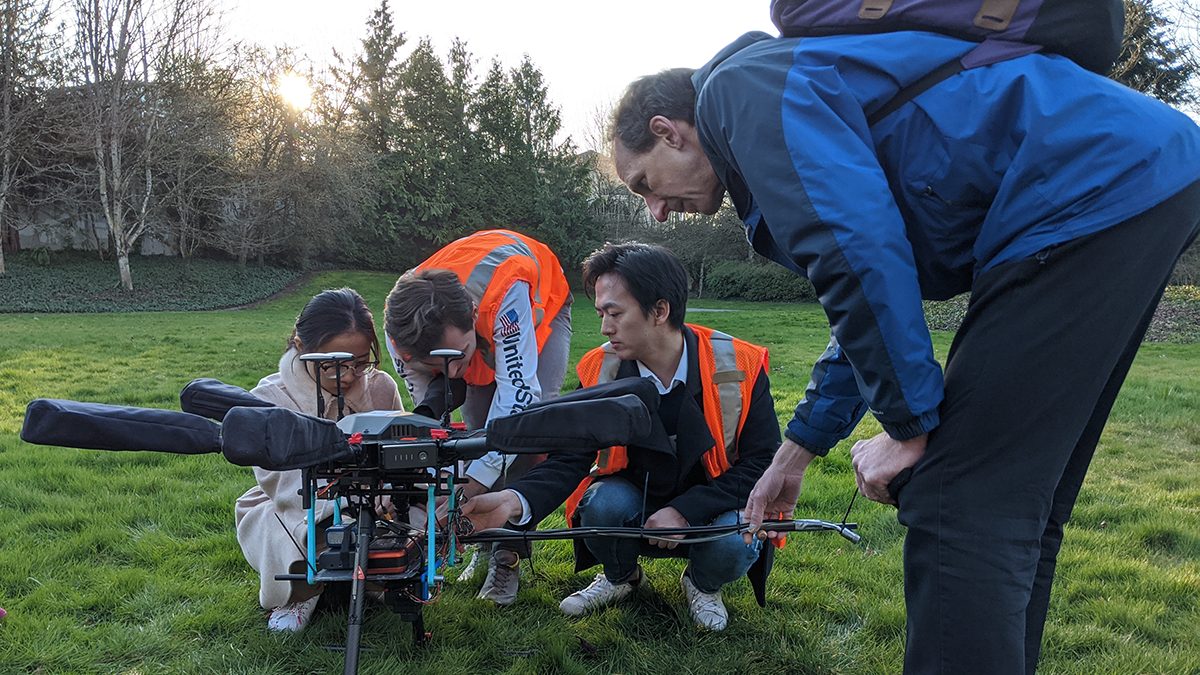
Catalyzing Just Circular Communities: A Feasibility Study of a Large-Scale Anaerobic Biodigester to Generate Hyper-local, Community-Owned Clean Energy Infrastructure in Seattle’s South Park
A UW–community partnership completed a feasibility study for a community-scale biodigester in South Park, showing it could generate up to $2 million annually while converting food waste into renewable energy and soil products. Community workshops shaped a vision for using biogas to power a local micro-mobility network, advancing equitable, community-owned clean energy solutions.

Fish, Fire, Food, and Floodplains: Healing Place and People
A UW-led collaboration is advancing holistic approaches to floodplain restoration, food systems, and cultural resilience, working with community and Tribal partners to connect ecological health with community well-being. The project highlights how integrated approaches to fish, fire, food, and floodplains can support long-term environmental and social resilience.
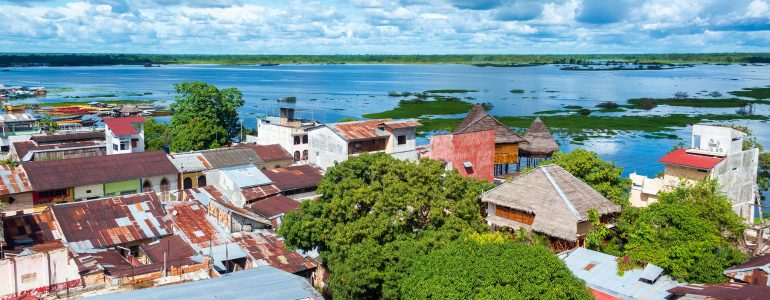
Healing Amazonian Soils with Science and Indigenous Artisanry: Implementing Community-Based Composting System in the Urban Amazon
This project developed a community-based composting system, piloting it with 30 households and Indigenous communities. By combining science with Kukama artisan knowledge, the project advances soil restoration, sustainable waste practices, and new livelihood opportunities, with the goal of scaling to a citywide system in Iquitos, Peru.
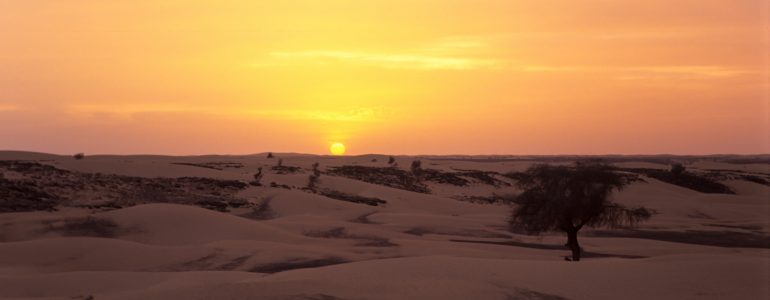
Life, In Spite of It All: Water, Wetlands, and Reclamation in a Changing Climate
Life, In Spite of It All is an interdisciplinary research and upcoming documentary film exploring the climate and environmental struggles surrounding the Tambass wetland in southern Mauritania. Spanning 4,400 acres, this crucial wetland ecosystem in the Haalpulaar’en community of Khareirat has been drastically impacted by human-driven draining and severe climate fluctuations. The project team published an essay with the team’s upcoming documentary video clips for Edge Effects.