EarthLab News
Listen to the NCA5 Companion Podcasts
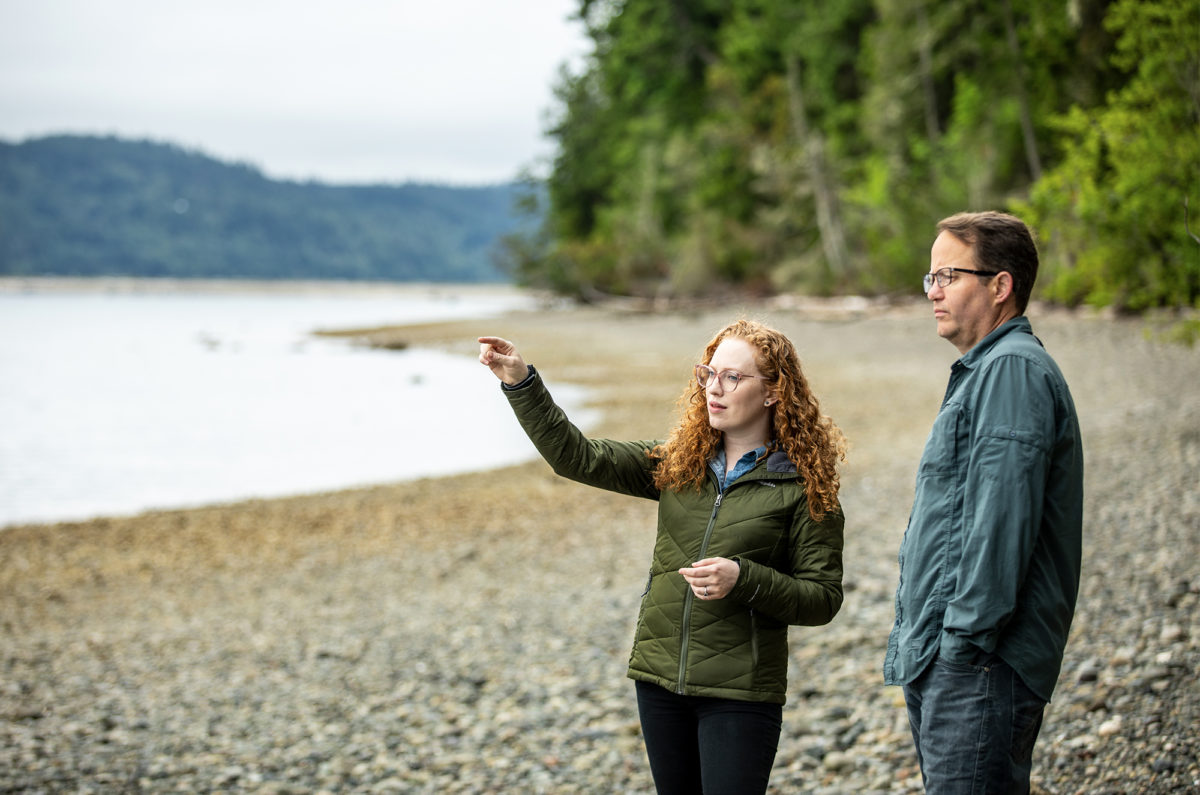
The Fifth National Climate Assessment (NCA5) Companion Podcast is a limited series intended to introduce the report, showcase the perspectives of NCA5 authors and staff, and demonstrate how the Assessment can help inform decisions. In this edition of the NCA5, several members of the Climate Impacts Group contributed. NCA5, which was released in fall 2023, is the US. Government’s preeminent report on climate change impacts, risks, and adaptation across the Nation. It is a congressionally mandated, interagency effort that brings together hundreds of experts from federal, state, and local governments, as well as the academic, non-profit, and private sectors.
Read more
Application Now Open for Future Rivers 2024/25
Future Rivers is extending their grant and offering their program at least one more year! Any current or prospective Masters or PhD student with an interest in freshwater science from any department at the University of Washington can apply. Application review and decisions will happen in late winter (Feb/March) 2024; applications received by the January 26 deadline will be eligible for funding consideration.
Read moreNCRC and partners to pilot groundbreaking co-production method
Building resilience to climate change requires many diverse areas of expertise, experiences and knowledge. Though they have historically been marginalized from climate preparedness efforts, people of color, Indigenous peoples, people with lower incomes and people whose lives depend on natural resources — known collectively as “frontline communities” — have innovative solutions for building resilience to climate change impacts.
The Northwest Climate Resilience Collaborative and partners are piloting a groundbreaking method for elevating first-hand experiences and visions of climate resilience and solutions, with the goal of incorporating community knowledge into efforts to prepare for climate impacts. Partnering with the documentary storytelling organization Tikkun Olam Productions and the Pacific Research on Island Solutions for Adaptation program, a trans-disciplinary research team will record the oral histories of frontline communities facing flooding and other climate change impacts.
Read more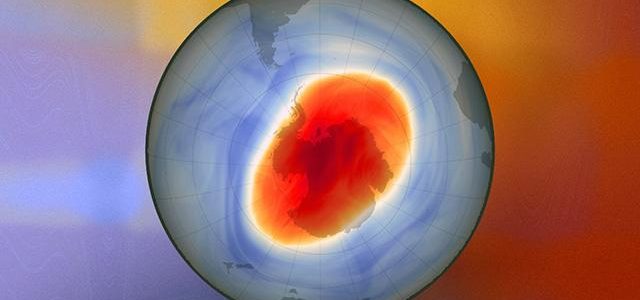
U.S. research funding on health effects of climate change inadequate
“We’ve systematically underinvested in this rapidly emerging health threat, and it has hamstrung our ability to respond,” said Dr. Jeremey Hess, professor of environmental and occupational health sciences at the University of Washington School of Public Health and of global health and emergency medicine at the UW School of Medicine in Seattle, one of the authors of the paper. Dr. Jeremy Hess is also the director of the Center for Health and the Global Environment, an EarthLab member organization.
Read more
Now Open (plus more funding!) 🌟 EarthLab Innovation Grants
The maximum funding request is now $80k over 18 months & previously awarded grantees are allowed to apply for new projects. Letters of Interest are due by 1/9/24.
Read more
University of Washington Awarded Federal Funding to Host an Expanded Northwest Climate Adaptation Science Center
The University of Washington has been awarded $7.4 million to continue hosting the Northwest Climate Adaptation Science Center (NW CASC) for the next five years, leading a broad consortium of Northwest university and tribal partners to support natural and cultural resource managers in responding to climate risks and promoting regional resilience.
Read moreWashington State Climatologist's Office joins forces with Climate Impacts Group, EarthLab for enhanced climate action
Following two decades of close collaboration, we are excited to announce that the Office of the Washington State Climatologist is joining the UW Climate Impacts Group. With this move, the State Climatologist will now be administratively housed within EarthLab, an institute at the College of the Environment that is working across the University of Washington and connecting with communities to catalyze equitable and just action on climate change. With a shared commitment to advancing climate services, this collaboration marks a significant step towards a more unified approach to addressing climate-related challenges in our state and region.
Read more
Introducing the CHaRT Tool: Navigating Climate-Related Health Risks
As climate changes continue to affect our lives, it is crucial for decision makers and community members to have the information they need to better understand and then address climate-related hazards. Certain communities bear a disproportionate burden from these hazards, which makes it essential to thoroughly understand the different mechanisms, scales, and geographic distributions of climate impacts on community health.
To address this, the Center for Health and the Global Environment has officially launched the Climate Health and Risk Tool (CHaRT), a groundbreaking interactive platform that helps users explore the intricate relationship between climatic, environmental, social, and economic factors contributing to hazards faced by communities.
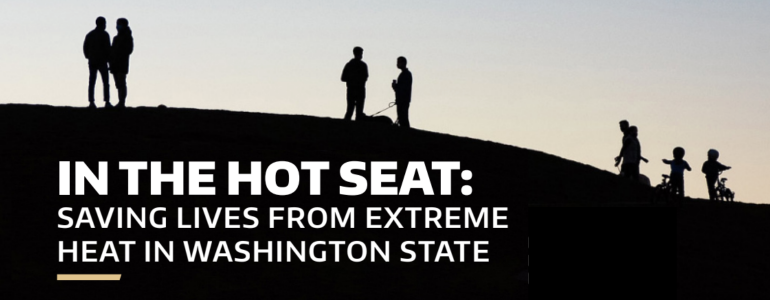
Climate Impacts Group & partners release report in English and Spanish aimed at preventing heat-related illness and death in Washington
A new report from experts at the University of Washington, Washington State Department of Health and Gonzaga University describes the problem of extreme heat and outlines specific, actionable guidance for short-term emergency response and long-term risk reduction. In the hot seat: Saving lives from extreme heat in Washington state highlights roles for state and local governments, elected officials, community- and faith-based organizations and others in addressing this important issue.
Read more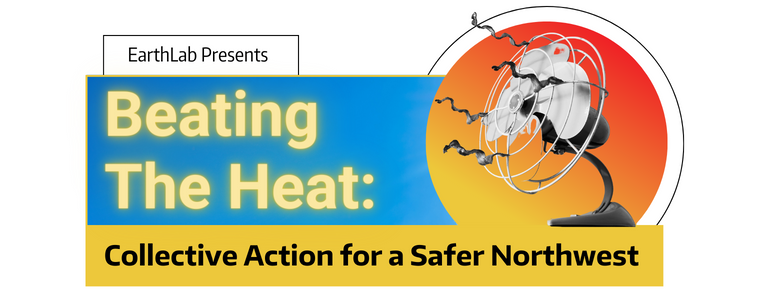
Join us June 22 for "Beating the Heat: Collective Action for a Safer Northwest"
Join EarthLab, The Climate Impacts Group and the Center for Health and the Global Environment on June 22 for a panel discussion, report launch & climate resiliency tool demo to help save lives during extreme heat.
Read more