EarthLab News

2019 Doug Walker Lecture with J. Drew Lanham
University of Washington’s EarthLab and the College of the Environment are excited to announce our 2019 Doug Walker Lecturer, J. Drew Lanham, PhD. In this lecture, Lanham will discuss what it means to embrace the full breadth of his African-American heritage and his deep kinship to nature and adoration of birds. The convergence of ornithologist, college professor, poet, author and conservation activist blend to bring our awareness of the natural world and our moral responsibility for it forward in new ways.
Read more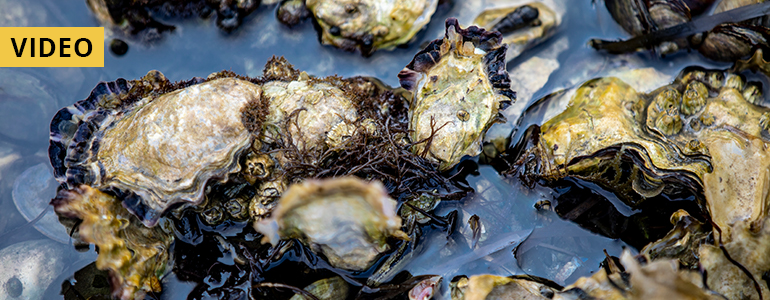
Washington leads: connecting ocean acidification research to people who need it most
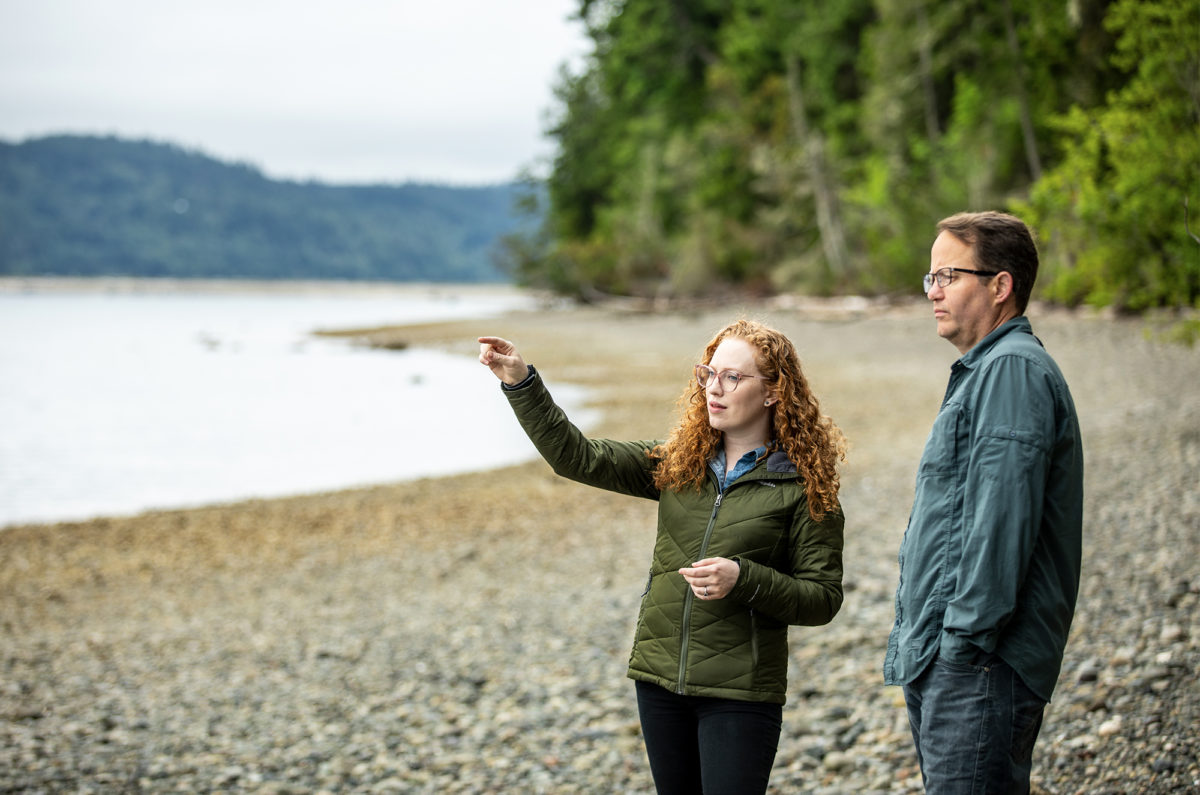
At the helm of EarthLab’s Washington Ocean Acidification Center are two experienced ocean scientists, but what they are trying to do is something entirely new. Terrie Klinger and Jan Newton are Salish Sea experts – one an ecologist, one an oceanographer – and they are addressing one of the biggest emerging threats to our environment today, ocean acidification.
“When we first were funded by the legislature to stand up the Washington Ocean Acidification Center, there was no precedent.

EarthLab announces John and Gail Eyler 2019 matching gift challenge
EarthLab has announced a new matching gift challenge through the end of 2019. College of the Environment Advisory Board Member John Eyler and his wife, Gail, have established a generous 1:1 challenge match for EarthLab supporters. They will match gifts of $5,000 or more, up to a total of $100,000, in support of the EarthLab Innovation Fund.
“We are so pleased to offer our support to the EarthLab Innovation Fund because of EarthLab’s deep commitment to environmental justice and actionable science,” said John Eyler.
Human well-being related to marine protected areas: a global research synthesis
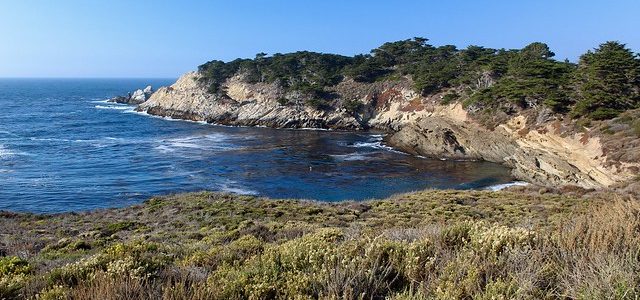
In the June 2019 issue of Nature Sustainability, EarthLab’s Sara Breslow and researchers from 10 other institutions share their insights gleaned from 118 peer reviewed journal articles of the effects of marine protected areas (MPAs). But their inquiry differed from most studies about MPAs – what, they asked, are the effects MPAs on human well-being? The literature is full of examples that document the ecological effects of marine protected areas, but information is lacking on the overall effects MPAs have on the human communities connected to them.
Read more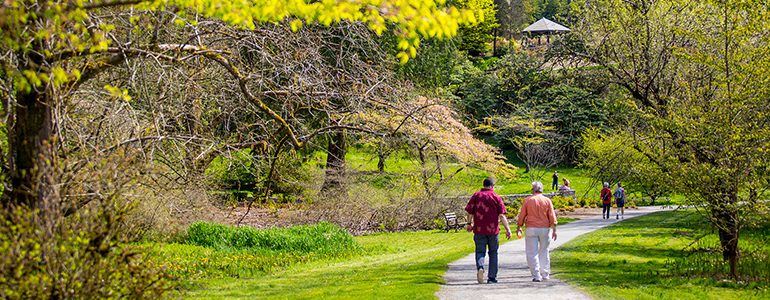
Spend time outdoors this summer to reap health benefits
Fresh air, lush foliage, open space, and sunshine. Time spent outdoors isn’t just good for the soul—research at UW EarthLab is showing it’s also good for the mind and body.
Even in the Pacific Northwest, where the weather is often, let’s say, less than optimal, getting out into nature brings with it a host of health benefits.
And there are plenty of options in the Seattle area, even in the heart of the city.
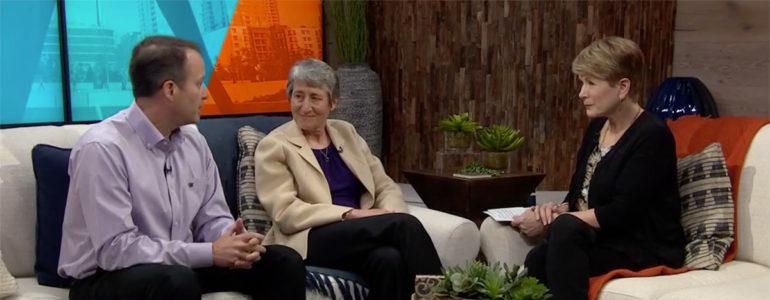
New Day NW shares the couch with EarthLab
EarthLab’s Sally Jewell and Ben Packard sat down with host Margaret Larson to discuss how we are committed to using UW’s research science to help businesses and society prepare for the environmental challenges of the future.
Read more
Games for Our Future Game Jam Re-cap
The Second Annual Games for Our Future Game Jam was a success! Presented by EarthLab, Seattle Indies, Seattle Serious and Social Impact Games and Pacific Science Center, the theme was Creating a Green Tomorrow. The Game Jam brought game developers and researchers together for a weekend to learn from each other and show the power of games to translate complex environmental research into a medium that is both fun and educational.
Read more2019 Ocean Acidification Symposium
The Washington Ocean Acidification Center will convene its Third Biennial Science Symposium on Thursday, May 30 at the University of Washington Center for Urban Horticulture in Seattle, WA. This day-long symposium will consist of invited presentations from regional experts. Presentations will focus on new results from research relevant to ocean acidification in Washington waters, including field observations, biological experiments and modeling.
Read more
Time outdoors is a natural elixir. Researchers still don’t know why.
At least two decades of research confirms what might seem obvious for many residents of the Pacific Northwest: time in nature is good for you. It can lower blood pressure, alleviate depression and anxiety, and even reduce nearsightedness in children.
But how often should you interact with the natural world? Where? And for how long? Is gazing at the stars from your backyard enough to reap rewards?

EarthLab funds first round of Innovation Grants
Providing resources for new approaches to environmental problem solving is the focus of the first EarthLab Innovation Grants funding. Projects funded in this first round of grants will support big ideas with high potential for impact and the ability to motivate change.
“I was blown away by the breadth of topics, the quality of the proposals, and the depth of engagement with community partners,” says Phil Levin, chair of the Innovation Grants review committee.