Changing our Mindset to Meet the Moment: Expanding What Is Possible in 2023
Another new year brings new possibilities for climate action. While significant progress in policy and practices are taking shape around us, there is still a long way to go to diversify and scale solutions in order to meet the Sustainable Development Goals and other critical climate targets.
Rather than thinking in purely technical, policy, or financial solutions, I am thinking a lot about the need to change our collective mindset about how we meet the demands of the moment. Changing mindsets is multifaceted, but two aspects I am particularly curious about for the new year are: the need to rethink our openness to taking risks on new ideas and how we need to reimagine the diversity of talent of the workforce that is going to deliver on our ambitions for climate action.
Expanding what is possible
It is fantastic that more entrants from all sectors are beginning to grasp the enormity of the climate challenge, with talk of adopting new forms of energy, shifting systems of accountability and transparency, and bringing more voices to the table. And yet, rather than seeking to understand the potential in the new actors and new solutions, many are quick to shoot down ideas simply because they are unfamiliar, untested, or imperfect. An example of this backlash is the criticism for the calls for performance rankings of ESG funds, to better understand how our investment decisions are connected to a low-carbon economy. While there are good questions being asked about how we measure the data, let’s not reject the core idea that improved transparency on performance and the consequences of our endeavors is vitally important.
In 2023, let’s explore before we reject. Let’s open our minds and our hearts and invest in new collaborations that grow our shared understanding of what is possible. Let’s take more chances in unconventional ideas, because the conventional ones aren’t going to get us there alone.
Preparing the workforce that delivers on 2050 targets
As we endeavor to meet the plethora of goals that have been established between now and 2050, we need to also think about the workforce that is going to do it! Growing and diversifying our workforce is a key component to scaling climate change solutions, and this goes far beyond creating more “green jobs.”
Yes, we need to exponentially grow the number of people working to decarbonize transportation, energy, and buildings, but every sector and community will be affected by the impacts of climate change. The bigger story is that every one of us will need to learn how to mitigate and adapt our roles and organizations to collectively reduce greenhouse gasses and increase resilience. This is not an emerging sector, but instead a systemic transformation that will affect all jobs in all sectors, all over the world.
The question then becomes, who will be leading us through this transition and what skills, support and training do they need? We know that communities on the front lines of climate change that are hit first and worst are usually communities of color and lower income. What can we do to increase opportunities for and the benefits of taking action on climate for these communities? Key components of our success in meeting the challenge of this moment are growing workforce capacity to understand how climate is affecting our jobs and increasing the representation from communities most affected by climate change into said workforce.
Investing in the future
Over the past 5 years at EarthLab, I have learned that hopeful action can mitigate the paralyzing grief and anxiety that we can all feel in facing climate change. That is why I am proud that our organization cultivates future leaders, promotes and connects the vast research capacity of the University of Washington in service of a more sustainable planet, and invests in community-generated solutions at the intersection of climate and social justice. As we enter 2023, we are excited to play a role in shifting our collective mindset in how we understand and respond to the changing climate.
With an open mind,
Ben

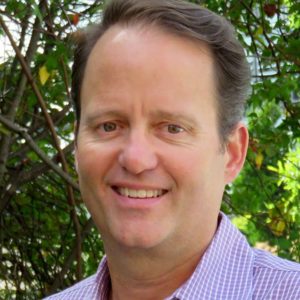
Ben Packard
Harriet Bullitt Endowed Executive Director
EarthLab
From research to practice: How one UW alum is moving climate and health policy forward in their home state
By: Sara Adams

Oh the places you’ll go– after graduation! We caught up with CHanGE alum Nathaniel Matthews-Trigg, Department of Global Health 2017 graduate and current Affiliate Instructor in the Department of Environmental and Health Sciences (DEOHS), to learn more about his work moving climate and health policy forward in New Mexico.
Q: Can you share a bit about your background, your involvement with CHanGE and your current role?
Nate: I graduated in December 2017 with a Master’s in Public Health from the UW Department of Global Health (DGH) and a Graduate Certificate in Climate Change and Health (GCeCCH) from the Center for Health and the Global Environment (CHanGE). I was the first student to graduate from the GCeCCH program, which I credit for shaping my career trajectory and climate activism.
In 2018, I began working in both traditional municipal and healthcare emergency management in the Puget Sound region, utilizing my climate and health research background to support local and regional emergency preparedness and response activities. In January 2020, I joined DEOHS as an affiliate instructor to support collaboration between the research community and local emergency management. In 2021, I moved back to New Mexico, where I grew up, and became involved in local environmental justice and public health activism.
Q: Tell us more about how you became involved in climate and health policy in New Mexico.
Nate: When I moved back, I joined the New Mexico Public Health Association and New Mexico Association of Emergency Management Professionals. Throughout the fall of 2021, I scheduled informational interviews with local leaders and community organizers to understand the climate and health work being done in the state. I learned that organizations and state agencies were overwhelmingly focused on climate mitigation—reducing emissions—New Mexico is the second largest crude-oil-producing state in the country behind Texas. There were few efforts focusing on climate adaptation—the interventions necessary to prevent or reduce current and future impacts to human health and well-being.
I was invited to speak to the New Mexico Department of Health’s Health Infrastructure Task Force in December 2021, a body set up to identify public health priorities for the state. DEOHS and DGH Professor Kristie Ebi presented on the scientific connection between climate change and health. I advocated for the creation of a climate and health program within the New Mexico Department of Health, a successful model in many other states across the country. However, due to competing priorities and political challenges, we realized that we would have to do more than simply talking about the need for adaptation with leaders.
Then in the summer of 2022, New Mexico experienced the worst wildfires in the state’s history. Over 1% of the total area of the state burned, tens of thousands were evacuated in a single day, and most of the state was blanketed in toxic smoke. New Mexico was featured prominently in national media stories as a case study in how climate change is driving increased fire behavior. This woke up many decision-makers to the urgent need for climate and health adaptation in New Mexico to protect the most vulnerable individuals and communities.
This renewed sense of urgency, in combination with continued conversations with state leaders and organizations, allowed us to home in on a strategy for advancing meaningful adaptation work. We began building a coalition of groups, with many of them graciously dedicating time and resources to advance this important cause.
In October 2022, I was invited to speak to the New Mexico Legislative Health and Human Services Committee, to kick off our call for legislation to create a climate and health program and establish a large fund to pay for adaptation work. Our coalition is excited for 2023, when the bill will be brought in front of state legislators to be debated and decided upon.
Q: What are the essential ingredients to developing a successful climate and health policy campaign?
Nate: Firstly, it’s important to have a clear and concise idea about what your community needs, and how your policy will address these needs. Be prepared to talk at great lengths about it or give a one-minute elevator pitch on the idea. It’s key to dentify your allies and work toward creating a coalition to help develop your policy and strategy moving forward.
Next, you need to agitate, educate and organize to build community support for what you are doing and/or get meaningful feedback and input. If legislation is the best strategy to address your community’s needs, seek out people and organizations that have experience doing this. Luckily, there are many great public health and environmental organizations that do policy work and could be great resources. As your policy campaign advances, you want to continue building its momentum.This could include organizing actions, strategic communications (op-eds, social media, etc.) and other ways to get people engaged and excited about supporting your policy.
Ultimately, prepare for the long game. Many bills do not pass when they are first introduced. Pace yourself and have realistic expectations; this is a marathon, not a sprint.
Q: Who are you partnering with in New Mexico to move the legislation forward?
Nate: We have a rapidly growing coalition, composed mostly of environmental, public health, and healthcare organizations.
Q: Were there any unforeseen challenges? Any unexpected positive outcomes?
Nate: I did not anticipate the longer timescale of the process. A year after we began this journey, the interest has snowballed. We went from meetings with just a couple people volunteering their time, to having half a dozen large organizations supporting us with paid staff and communications.
There were many unexpected positive benefits: I was able to learn how policy moves from just an idea to a solidified bill. I built relationships with amazing activists and organizations from across New Mexico, and learned about other exciting environmental opportunities on the horizon.
Q: Do you have any advice for students looking to be involved in local climate and health policy?
Nate: There is an incredible need for motivated individuals to support policy that helps those most vulnerable to the impacts of climate change. It is critically important to draft policy that is equitable, inclusive and engages the public throughout the development process.
As public health practitioners, we can often bring an important perspective to environmental justice policy that helps connect the dots between environmental harms and human health. Reaching out to groups advancing important environmental policy and volunteering your time can go a long way.
To get started, I recommend getting involved in your local professional associations, such as your state’s chapter of the American Public Health Association. Professional associations often have committees where you can participate and meet others with similar policy interests. I would also encourage students to reach out to environmental groups and start making connections and conversations that can turn into meaningful coalitions, actions and policies.
EarthLab welcomes four new Advisory Council members
With the 2022-23 school year in full swing, EarthLab is excited to share that we have four new members who have joined the Advisory Council. The Advisory Council is a body of volunteers from diverse professions and backgrounds that provides unique perspectives to help inform our programming, introduce new potential collaborators, and raise awareness and financial support for EarthLab. The Council works to connect decision makers outside of academia to UW resources.
Welcome, Trish, Kate, Chukundi and Bob! We can’t wait to start collaborating together in this next chapter of advisory support. Learn more about our four new Advisory Council members below. To learn more about other present and past Advisory Council members, please visit our Advisory Council page.
Trish Millines Dziko
Technology Access Foundation
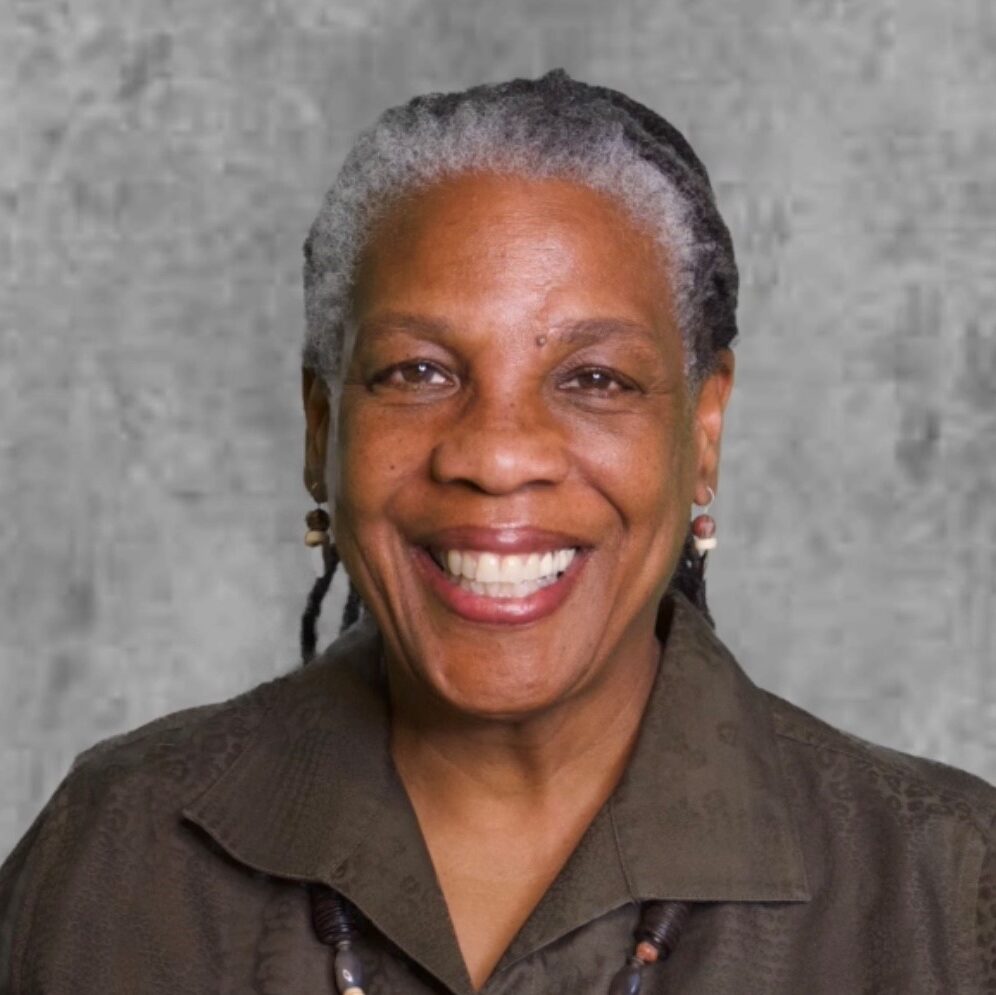 Trish Millines Dziko cofounded Technology Access Foundation (TAF) in 1996 after spending 17 years in the tech industry. Through Trish’s leadership, TAF transitioned from out of school programs to become a statewide leader in public education, operating TAF Academy (a 6th to 12th grade award-winning public school, co-managed with the Federal Way Public School District), partnering with public schools to transform them to promote the highest level of student learning, and increasing the number of teachers of color through the Martinez Fellowship.
Trish is a committed, proactive leader serving on boards of organizations that focus on children and education.
Kate Janeway, JD, MPA
Executive Coach
 Kate Janeway has been working on environmental issues for more than 50 years, starting with the oil spill that fouled 40 miles of beach in her hometown, Santa Barbara California, when she was 15 years old. Her work since that time has been defined by her quest for the most effective skill sets to address the existential challenges we face. Consequently, Kate has a law degree, a Master’s in Public Administration focused on Environmental Policy and Natural Resource Management and is a certified Executive Coach. The skills and insights from these combined disciplines inform her work with organizations and systems seeking change.
The through-line in Kate’s career has been the thirty years of work with The Nature Conservancy where she began as Assistant Director of the Washington/Alaska Field Office. Since then, she has served as a volunteer on TNC state boards in Ohio, Alaska and, currently, Washington.
Kate also serves on the Advisory Board of the Stanford Woods Institute for the Environment which is now deeply engaged in launching the new Doerr School of Sustainability at Stanford University.
Kate holds a B.A. in American Studies and Humanities from Stanford University, a J.D. from Georgetown Law Center, and an M.P.A. in Environmental Policy and Natural Resource Management from the University of Washington. She is a certified Hudson Institute Coach.
Chukundi Salisbury
City of Seattle
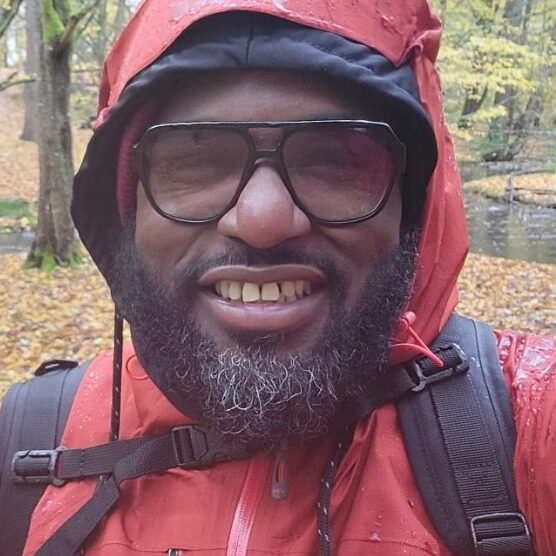 A self-described “Parks Kid”, Chukundi grew up in the Central Area and participated in several programs at Miller Community Center and other organizations. He has a lifelong commitment to service as a volunteer, board member, employee, manager, small business owner, and participant.
Salisbury is a 25-year employee of the City of Seattle, where he works as a Manager for Parks and Recreation and serves as the founding director of the Youth Green Corps. He has served as the Trails Coordinator, Urban Food Systems Manager, Director of Camp Long, as well as a Recreation Center Coordinator at Garfield Community Center.
Outside of work, he is the founder of Service is a Lifestyle, a 501©3 Non-Profit that has launched several community initiatives such as 100 Black Parents, URBVOTE (the Urban Vote Initiative), and the “This House is Not For Sale Campaign”. In 2021 he launched the “Health is the Real Bag” campaign to focus on wellness after losing over 70lbs and reversing his Type II Diabetes.
As a community volunteer he has served in many roles and boards, including Real Change Newspaper, YMCA Camping Services, Mothers For Police Accountability, Southeast Youth and Family Services, The African American Advisory to the Seattle Police Department, and the Central District Community Preservation & Development Authority (CDCPDA). He currently serves as the President of Phi Beta Sigma Fraternity, Epsilon Epsilon Sigma Chapter in Seattle.
As an entrepreneur, he is the founder of SEASPOT Media Group, which is a marketing and publishing house. He is the Publisher of the Adventures of Lil Big Fella Comic Book and has owned small businesses.
Salisbury is also a nationally known Disc Jockey who has performed locally and internationally at venues large and small.
Bob Whitener
The Whitener Group
 As owner and managing partner of The Whitener Group, Bob Whitener has over 40 years of experience working with tribal governments and enterprises within Indian County.
Bob has extensive experience in the areas of natural resources management, finance administration, human resources systems, tribal-state compact negotiations, policy development, and federal negotiations. Bob served as the Natural Resources Director for the Squaxin Island Tribe, The Director of Finance and Administration for the Northwest Indian Fisheries Commission, Executive Director of the Squaxin Island Tribe and CEO of Island Enterprises Incorporated. IEI is the economic development corporation for the Squaxin Island Tribe. Bob also served for many years on the Pacific Salmon Treaty, rotating in and out of the Chair of the Southern Panel.
After retiring from tribal service, Bob and his brother Ron, later joined by his Daughter Jennifer Whitener Ulrich, formed The Whitener Group LLC. TWG is dedicated to working in Indian Country and over the past ten years has worked with around 100 different tribes and Native Villages. TWG also works with many, usually non-profits, who want to work with or have good relations with tribes. These include the Pew Charitable Trust, The Nature Conservancy, Mountains to the Sound Greenway, Seattle YMCA, and Forterra.
TWG also works on emerging issues from climate change to carbon removal for these NGOs and/or as a supportive contributor to on-going processes.
EarthLab would like to thank Troy Alstead, Eric Artz, Jamie Bechtel & Chris Stolte for their years of service as inaugural Advisory Council members. We are grateful for the time, leadership and guidance that they provided within the council, and we look forward to continuing to work with them in other capacities as they transition into alumni roles going forward.
Now Hiring: Associate Director of Advancement
The College of the Environment at the University of Washington is now hiring an Associate Director of Advancement for EarthLab. This position will be responsible for assisting in the planning, strategy-setting and delivery of activities to successfully secure gifts and grants for the College of the Environment (CoEnv) and its constituent units. Efforts shall be focused on raising increasing levels of private support, for current use, endowment, and capital purposes, benefiting CoEnv students, faculty, staff, programs, and college leaders.
The Associate Director of Advancement (ADOA) works closely with both the Senior Director for Advancement and the Associate Dean for Advancement in fulfilling annual goals and objectives. This person is expected to work closely with University Advancement and unit colleagues, including marketing and communications staff, and academic leaders and volunteers to identify, engage, and solicit prospective major gift donors. The ADOA will have assigned responsibility for oversight and coordination of fundraising programs in one or more academic departments.
RESPONSIBILITIES:
Frontline Fundraising
• Manage a portfolio of major gift prospects for EarthLab and for the department of Earth and Space Sciences, with an emphasis on Top 25 prospects who will be solicited within 12-18 months. Develop and implement solicitation strategies for each assigned major gift prospect taking into account established best practices and metrics for performance, e.g., substantive contacts, with an emphasis on substantial contacts.
• Special emphasis shall be placed on identifying lead prospects for emerging campaign initiatives, and will require cultivating and soliciting individuals, foundations, corporations, and other organizations in close cooperation with associated frontline fundraisers in the College of the Environment and across the University.
• Manage the identification, engagement, solicitation, and stewarding of a portfolio of major gift prospects and donors for the CoEnv.
• Participate cooperatively and regularly in the University’s prospect management and tracking system, following established protocols and best practices. Make regular use of the full range of Advancement’s database capabilities.
• Prepare written and verbal proposals, case statements, concept/informational materials, endowment agreements, gift illustrations, and other materials needed to secure gifts and grants.
• Work closely with unit colleagues as well as those in Regional and Internal Giving, Principal Gifts, Planned Giving, and Corporate & Foundation Relations in preparing and executing engagement and solicitation strategies for assigned prospects.
Strategy Development
• Provide strategic leadership to and support for the heads of assigned academic/administrative units, as well as faculty and administrators in designing and implementing strategies and efforts to sustain and increase major gift and alumni support. Coordinate the participation of administrators, academic leaders, volunteers, and development staff in implementing work along the full donor continuum.
• Develop and implement strategies in working with and cultivating private support and volunteer opportunities with diverse communities and individual prospects.
Program Development and Management
• Work closely with the College’s Advancement colleagues, including the Marketing & Communications team, in helping develop appropriate marketing materials targeting a diverse range of constituents, with special emphasis on major gift prospects and thoughts leaders.
• In consultation with the Senior Director for Advancement and Assistant Dean for Advancement, create an annual personalized work plan for accomplishing specific priority goals and objectives in coordination with overall unit Advancement goals as outlined in annual plans. Provide at least quarterly reports noting progress and challenges.
• Participate in the development of (i) policies and procedures relating to the Advancement program, (ii) marketing materials for the major gift work, and (iii) cultivation and stewardship activities and events; and (iv) work strategic planning opportunities as needed.
Other duties as assigned.