EarthLab News
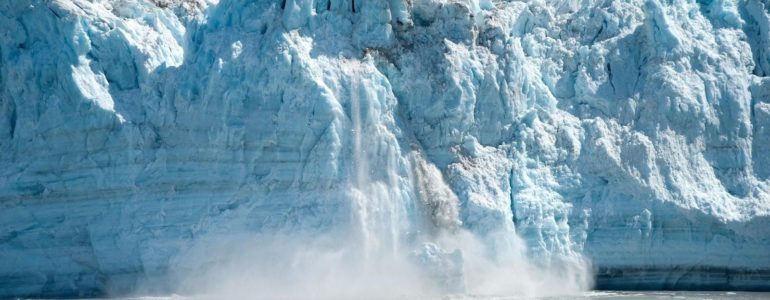
“The stars have moved”: how climate change is impacting the planet at multiple scales
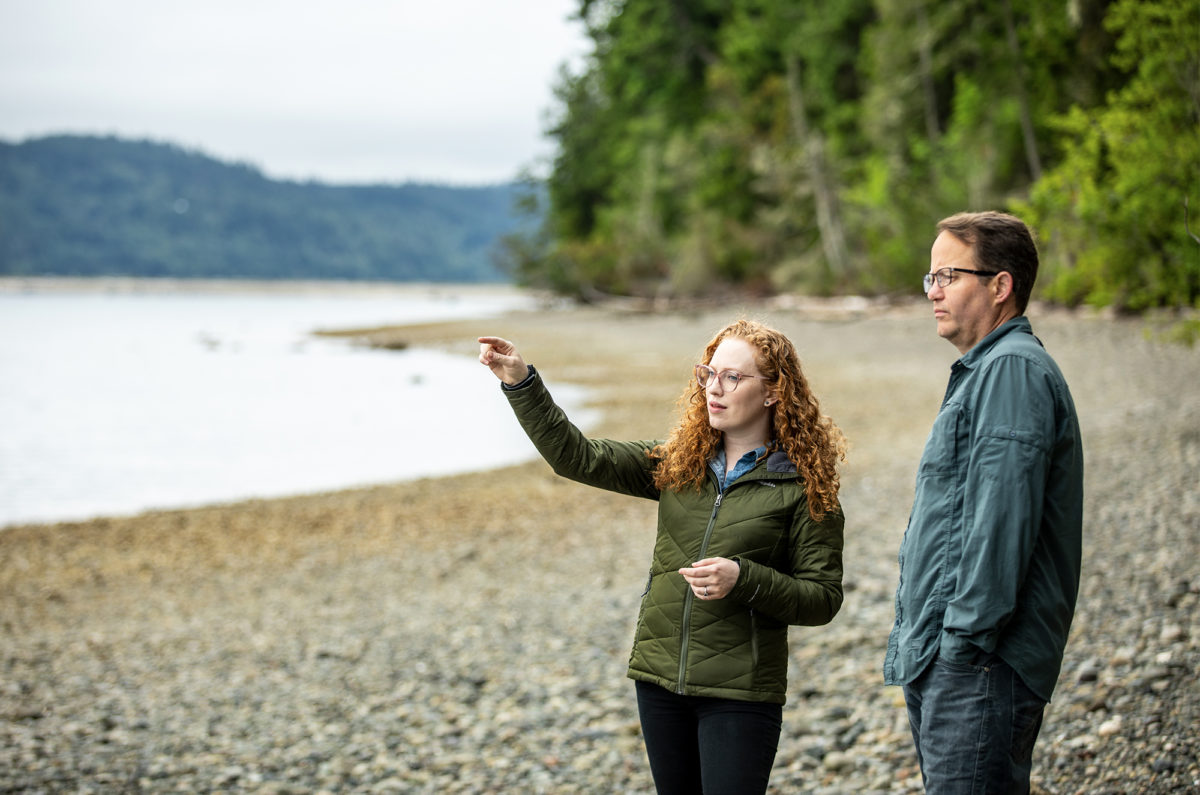
Situated on an Arctic barrier island along the northwest coast of Alaska is the village of Kivalina, an Iñupiaq community of about 500 people. Colleen Swan, city administrator and coordinator of its volunteer Search and Rescue organization, is an advocate for her community and has always taken concerns about Indigenous health, environment and identity seriously, and works to seek out solutions. Recently, she was approached by a curious neighbor with a perplexing observation.
Read more
2022 Innovation Grants Announced
UW EarthLab selects six community-led teams to solve complex challenges at the intersection of climate change & social justice that will make a positive impact on people’s lives and livelihoods
Today EarthLab announced that six transdisciplinary teams have been selected for the 2022-2023 Innovation Grants program. This signature initiative provides essential funding to newly formed applied research teams that are led by and with community partners.

Our Top 10 Stories of 2021
In 2021, EarthLab welcomed new partners, strengthened our commitment to equity and justice work, and continued our work to inspire and incentivize innovative, community-centered environmental and climate justice research. Explore our top stories.
Read more
EarthLab Expands 2021 Innovation Grants Program to $450,000
The 50% increase in available funding means more teams will be awarded in this cycle.
Read more
Announcing the 2021 EarthLab Innovation Grants RFP
The Innovation Grants Program will invest in teams of community partners and academic researchers and students at the University of Washington (UW) who are interested in developing solutions at the intersection of climate change and social justice. Letters of Intent are due January 27, 2022.
Read more
The Spokesman Review: Washington could see more mosquitoes with hotter, longer summers
Moisture and heat are key to the mosquito life cycle. Change one of those elements, or both, and the population and our vulnerability to it will likely change, said Cory Morin, a clinical assistant professor at the University of Washington. Cory co-led an EarthLab Innovation Grants project that assessed Climate Driven Zoonotic Disease Risk in Washington state.
Read more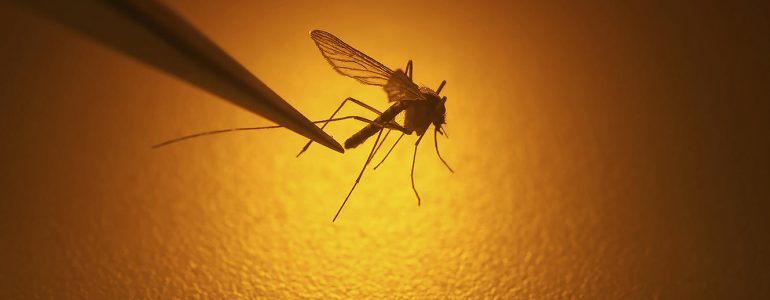
Crosscut: More mosquitoes in WA could come with hotter, longer summers
Climatologists, entomologists and public health experts worry our sunny, mostly bugless summers in the PNW could soon be a thing of the past. Cory Morin and Nick Bond were quoted regarding their Innovation Grant-funded project, Assessing Climate Driven Zoonotic Disease Risk in Washington State.
Read more
New UW collaboratory to support equitable and just climate action
An interdisciplinary group of University of Washington researchers has teamed with Front and Centered to create an innovative Collaboratory to promote just and equitable climate action.
Read more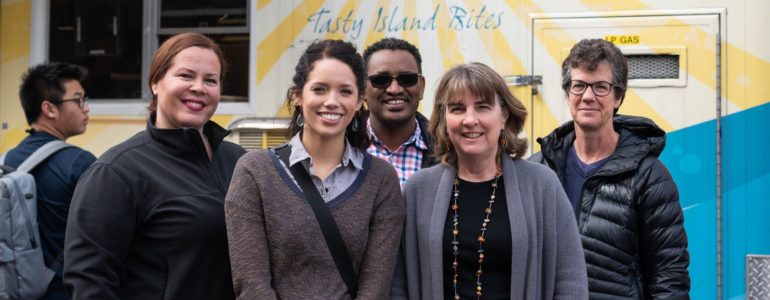
Green ways to keep food trucks clean
To bring attention to effective alternatives, experts from the University of Washington, a state agency and a nonprofit formed a team to identify and promote safer cleaning methods, starting with food trucks. Read more about the EarthLab-funded project, Clean SHiFT (Safety & Health in Food Trucks).
Read more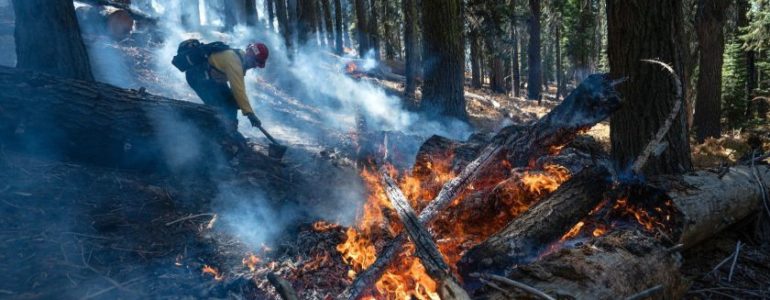
EarthLab and Population Health co-fund pilot grant to improve communication around smoke exposure in rural and Tribal communities
EarthLab and the Population Health Initiative have announced a new pilot research grant award to study how Tribal and non-Tribal communities in the Okanogan River Airshed Emphasis Area (ORAEA) receive and communicate information about smoke exposure.
Read more